
In the rapidly evolving world of technology, automation has emerged as a game-changer. It’s not just about robots on assembly lines anymore; automation technology is transforming industries across the board. From small businesses to large enterprises, the ability to automate processes is becoming a critical competitive advantage. But what exactly is automation, and how can it benefit your business? Let’s dive in and explore the world of automation technology.
Automation refers to the use of various control systems and technologies to operate equipment, processes, or systems with minimal human intervention. It encompasses a wide range of technologies, including robotics, machine learning, and artificial intelligence. The goal of automation is to increase efficiency, reduce costs, and improve accuracy. According to isa.org, automation can be found in almost every industry, from manufacturing to healthcare, finance, and beyond.
Understanding Automation Technology
Automation technology is a broad term that includes any system or tool designed to perform tasks with minimal human input. This can range from simple software that automates repetitive office tasks to complex robotic systems that operate in hazardous environments. The key components of automation technology include sensors, controllers, and actuators, which work together to perform tasks autonomously.
One of the most exciting aspects of automation technology is its ability to learn and adapt. Machine learning and artificial intelligence are at the forefront of this evolution, enabling systems to improve their performance over time. For example, an AI-powered chatbot can learn from customer interactions to provide better service in the future. This adaptive capability makes automation technology incredibly powerful and versatile.
The Role of Robotics in Automation
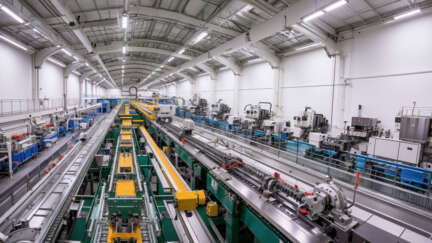
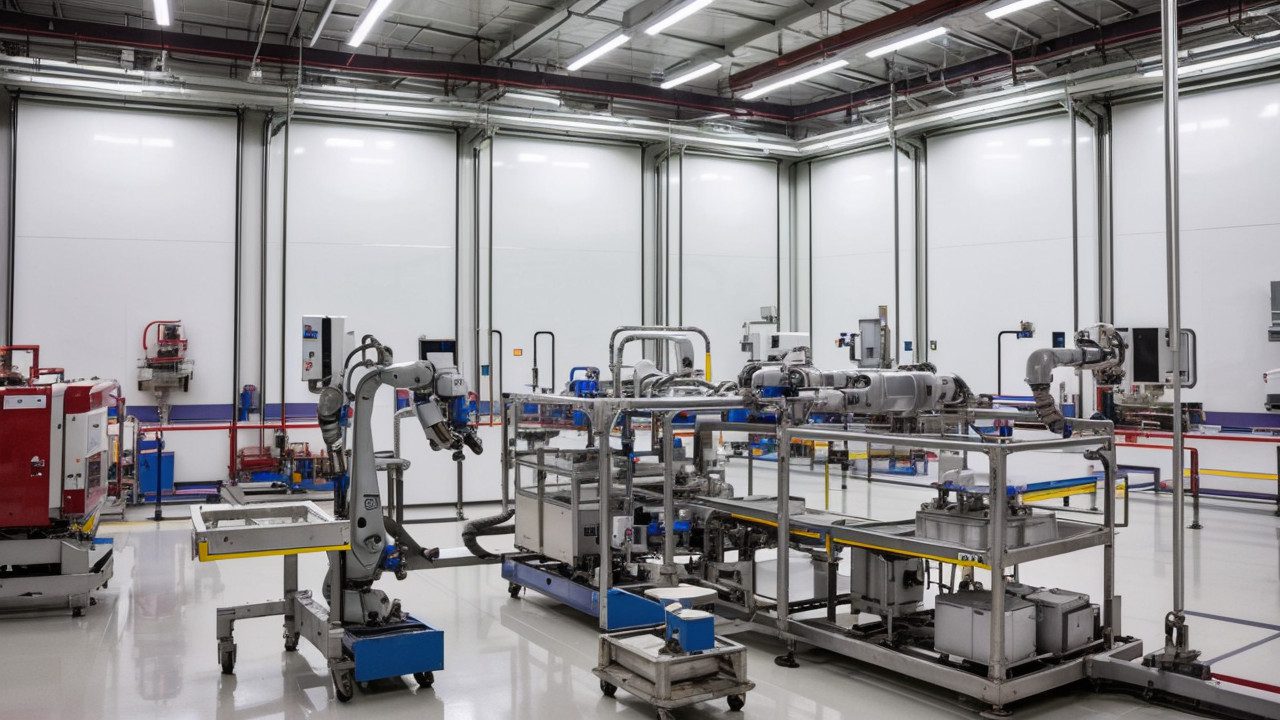
Robotics is a significant subset of automation technology, particularly in manufacturing and industrial settings. Robots can perform tasks with precision and speed that humans simply cannot match. They are often used for tasks that are dangerous, repetitive, or require a high degree of accuracy. For instance, robotic arms in a car manufacturing plant can weld parts together with perfect consistency, reducing the risk of human error.
However, robotics is not limited to heavy industry. Collaborative robots, or cobots, are designed to work alongside humans, assisting with tasks such as assembly, packaging, and even customer service. These robots are equipped with advanced sensors and AI capabilities, allowing them to interact safely and effectively with their human counterparts. The integration of robotics into various industries is a testament to the versatility and adaptability of automation technology.
Machine Learning and Artificial Intelligence
Machine learning and artificial intelligence are revolutionizing the way businesses operate. These technologies enable systems to analyze vast amounts of data, identify patterns, and make decisions with minimal human intervention. For example, AI-powered analytics tools can predict customer behavior, optimize supply chains, and even detect fraud. According to ibm.com, AI and machine learning are key drivers of automation, enabling businesses to achieve unprecedented levels of efficiency and accuracy.
One of the most significant advantages of AI and machine learning is their ability to handle complex, data-intensive tasks. For instance, a financial institution can use AI to analyze transaction data in real-time, detecting unusual patterns that may indicate fraudulent activity. This level of automation not only saves time but also enhances security and compliance.
The Benefits of Process Automation
Process automation is the application of technology to streamline and optimize business processes. It involves identifying repetitive tasks and implementing systems to perform them automatically. The benefits of process automation are numerous and can have a profound impact on a business’s bottom line. Key advantages include increased efficiency, reduced costs, improved accuracy, and enhanced customer satisfaction.
By automating routine tasks, businesses can free up their employees to focus on more strategic activities. This not only improves productivity but also boosts morale and job satisfaction. According to mulesoft.com, process automation can lead to significant cost savings by reducing the need for manual labor and minimizing the risk of errors. Additionally, automated processes are often faster and more consistent, leading to improved customer experiences.
Industry-Specific Automation Solutions
Different industries have unique automation needs, and there are a variety of solutions tailored to specific sectors. For example, in healthcare, automation technology can be used to manage patient records, schedule appointments, and even assist in surgical procedures. In manufacturing, robotic systems can handle everything from assembly to quality control. The key is to identify the areas where automation can have the most significant impact and implement the right tools and technologies.
In the finance sector, automation is used to streamline processes such as account management, fraud detection, and risk assessment. Automated trading systems, for instance, can execute trades at lightning speed, taking advantage of market opportunities that would be impossible for human traders to capitalize on. The versatility of automation technology makes it applicable to virtually any industry, providing a competitive edge to businesses that embrace it.
Choosing the Right Automation Tools
With the wide range of automation tools available, choosing the right ones for your business can be a daunting task. The key is to identify your specific needs and match them with the capabilities of different tools. For example, if you need to automate customer service, a chatbot powered by AI might be the best solution. On the other hand, if you’re looking to streamline your supply chain, a robust enterprise resource planning (ERP) system with automation features could be more appropriate.
It’s also important to consider the scalability of the tools you choose. As your business grows, your automation needs will likely evolve, and you’ll want tools that can grow with you. Additionally, ease of integration with your existing systems is crucial. According to spiceworks.com, businesses should look for automation tools that offer seamless integration with their current infrastructure to ensure a smooth transition and minimal disruption.
Evaluating Automation Software
When evaluating automation software, there are several factors to consider. First and foremost, the software should be user-friendly and require minimal training for your employees. It should also offer robust security features to protect your data and comply with industry regulations. Additionally, the software should provide comprehensive support and documentation to help you troubleshoot any issues that may arise.
Another important consideration is the cost of the software. While automation can lead to significant cost savings in the long run, the initial investment can be substantial. It’s essential to weigh the potential benefits against the costs and choose a solution that fits within your budget. Many automation software providers offer free trials or demos, allowing you to test the software before making a commitment.
The Future of Automation Technology
The future of automation technology is bright, with advancements in AI, machine learning, and robotics paving the way for even more sophisticated and capable systems. As these technologies continue to evolve, we can expect to see automation playing an increasingly prominent role in various industries. For example, self-driving cars, autonomous drones, and smart cities are all areas where automation is likely to have a significant impact.
One of the most exciting developments in automation technology is the concept of the “autonomous enterprise.” This refers to a business that operates with minimal human intervention, thanks to the integration of AI, machine learning, and robotics. In an autonomous enterprise, systems can make decisions, execute tasks, and even learn from their experiences, allowing the business to operate more efficiently and effectively. While we may not be there yet, the trend towards greater automation is undeniable, and businesses that fail to adapt risk being left behind.
Embracing the Automation Revolution
As automation technology continues to advance, it’s essential for businesses to stay informed and adapt to the changing landscape. This means investing in the right tools and technologies, as well as fostering a culture of innovation and continuous improvement. By embracing the automation revolution, businesses can position themselves for long-term success and stay ahead of the competition.
Ultimately, the goal of automation is to enhance human capabilities, not replace them. By automating routine tasks, businesses can free up their employees to focus on more strategic and creative activities. This not only improves productivity but also fosters a more engaging and fulfilling work environment. As we look to the future, the businesses that will thrive are those that leverage automation technology to its fullest potential, creating a harmonious blend of human and machine intelligence.
TL;DR
Automation technology is transforming industries by increasing efficiency, reducing costs, and improving accuracy. Key components include robotics, machine learning, and artificial intelligence, each playing a crucial role in various sectors. Process automation offers significant benefits, such as streamlined operations and enhanced customer experiences. Choosing the right automation tools involves evaluating specific needs, scalability, and integration capabilities. The future of automation technology is promising, with advancements paving the way for autonomous enterprises. Embracing automation can lead to long-term success and a competitive edge in the market.