Computer vision is a rapidly evolving field within artificial intelligence (AI) that focuses on enabling machines to interpret visual information from the world around them. This technology has become increasingly integral across various industries, including healthcare, automotive, retail, and security. By leveraging advanced techniques like machine learning and deep learning, computer vision can process complex images and videos, making sense of the vast amount of data they contain.
What is Computer Vision?
Computer vision involves training machines to interpret and understand visual information from the world. This field encompasses a wide range of tasks such as image recognition, object detection, scene understanding, and video analysis. At its core, computer vision aims to bridge the gap between raw pixel data and meaningful insights by using algorithms that mimic human visual perception.
Key Components of Computer Vision
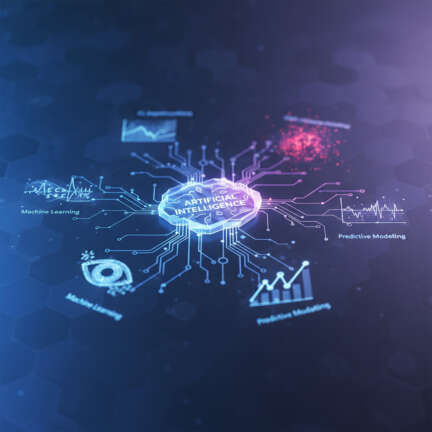
- Artificial Intelligence (AI): AI forms the backbone of computer vision, enabling machines to learn from visual data without explicit programming. AI techniques include supervised learning, unsupervised learning, and reinforcement learning.
- Machine Learning (ML): ML algorithms are used to train models on large datasets, allowing them to recognize patterns and make predictions based on the learned data. Techniques such as decision trees, support vector machines (SVM), and k-nearest neighbors (KNN) form part of this process.
- Deep Learning: A subset of machine learning that uses neural networks with multiple layers to extract features from visual data. Convolutional Neural Networks (CNNs) are particularly effective in image recognition tasks due to their ability to identify spatial hierarchies within images.
The Evolution of Computer Vision
Computer vision has come a long way since its inception, evolving from simple pattern recognition to sophisticated systems that can perform complex tasks. The journey began with early attempts at recognizing basic shapes and features in 1960s research. However, it was not until the advent of powerful computing resources and the availability of large datasets that computer vision truly took off.
Key Milestones
- The 1960s: Early research on pattern recognition and machine vision.
- The 1980s: Development of neural networks and the backpropagation algorithm, which laid the groundwork for modern deep learning techniques.
- 2000s-2010s: Rapid advancements in hardware capabilities and availability of large annotated datasets led to significant improvements in performance across various computer vision tasks.
Applications of Computer Vision
The applications of computer vision are vast and diverse, ranging from consumer products like smartphone cameras to industrial automation systems. Here are some key areas where computer vision is making a significant impact:
Healthcare
In healthcare, computer vision plays a critical role in diagnostic imaging and surgical assistance. For instance, AI-driven tools can analyze medical images such as X-rays, MRIs, and CT scans to detect anomalies that may be missed by human observers. These systems are being developed for tasks like cancer detection, brain tumor identification, and cardiovascular analysis.
Automotive
The automotive industry is another major beneficiary of computer vision technologies. Advanced driver assistance systems (ADAS) use cameras and sensors to enhance safety features such as lane departure warnings, pedestrian detection, and autonomous driving capabilities. Computer vision also enables vehicles to recognize traffic signs, read license plates, and identify obstacles on the road.
Retail
In retail, computer vision can optimize store operations and enhance customer experience through applications like shelf stocking monitoring, checkout processes, and personalized marketing. For example, smart cameras can track inventory levels in real-time, ensuring that shelves are always stocked with the right products. Additionally, facial recognition technology can be used to analyze customer behavior and preferences, providing retailers with valuable insights for targeted promotions.
Security
Computer vision is crucial in security applications such as surveillance, access control, and intrusion detection. Video analytics systems can monitor large areas, detect suspicious activities, and alert security personnel in real-time. Facial recognition technology has become a common tool for identity verification at airports, border checkpoints, and other high-security locations.
Challenges and Future Directions
Despite its numerous applications, computer vision still faces several challenges that need to be addressed before widespread adoption becomes commonplace. Some of these include:
Data Privacy Concerns
As computer vision systems increasingly rely on personal data, issues around privacy and consent must be carefully managed. Companies must ensure they comply with relevant regulations such as the General Data Protection Regulation (GDPR) to protect individuals’ rights and prevent misuse of their information.
Bias in AI Models
Another significant challenge is addressing bias in machine learning models, which can lead to unfair or discriminatory outcomes. Developers must continuously monitor and refine their algorithms to ensure they produce unbiased results that do not perpetuate existing social inequalities.
Trends in Computer Vision Research
The field of computer vision continues to evolve rapidly, driven by ongoing advancements in technology and increasing demand for automation across industries. Some key trends currently shaping the future of this domain include:
Real-Time Processing
There is a growing emphasis on developing systems that can process visual data in real-time, enabling applications like autonomous vehicles and live event analysis to function more efficiently.
Interoperability and Integration
As computer vision technologies become more sophisticated, there will be an increased focus on integrating them with other AI tools and platforms. This will allow for seamless collaboration between different systems and enhance overall performance in complex scenarios.
Conclusion: The Future of Computer Vision
Computer vision is poised to revolutionize numerous industries by providing intelligent solutions that can process visual information more effectively than ever before. As research continues to advance, we can expect to see more sophisticated applications emerge, driven by the power of AI and machine learning.
TL;DR
Computer vision leverages artificial intelligence and machine learning to interpret and understand visual data from the world around us. From healthcare diagnostics to autonomous vehicles, this technology is transforming various sectors with its ability to process complex images and videos efficiently. Challenges like data privacy and bias must be addressed, but ongoing research promises exciting developments in real-time processing and interoperability.