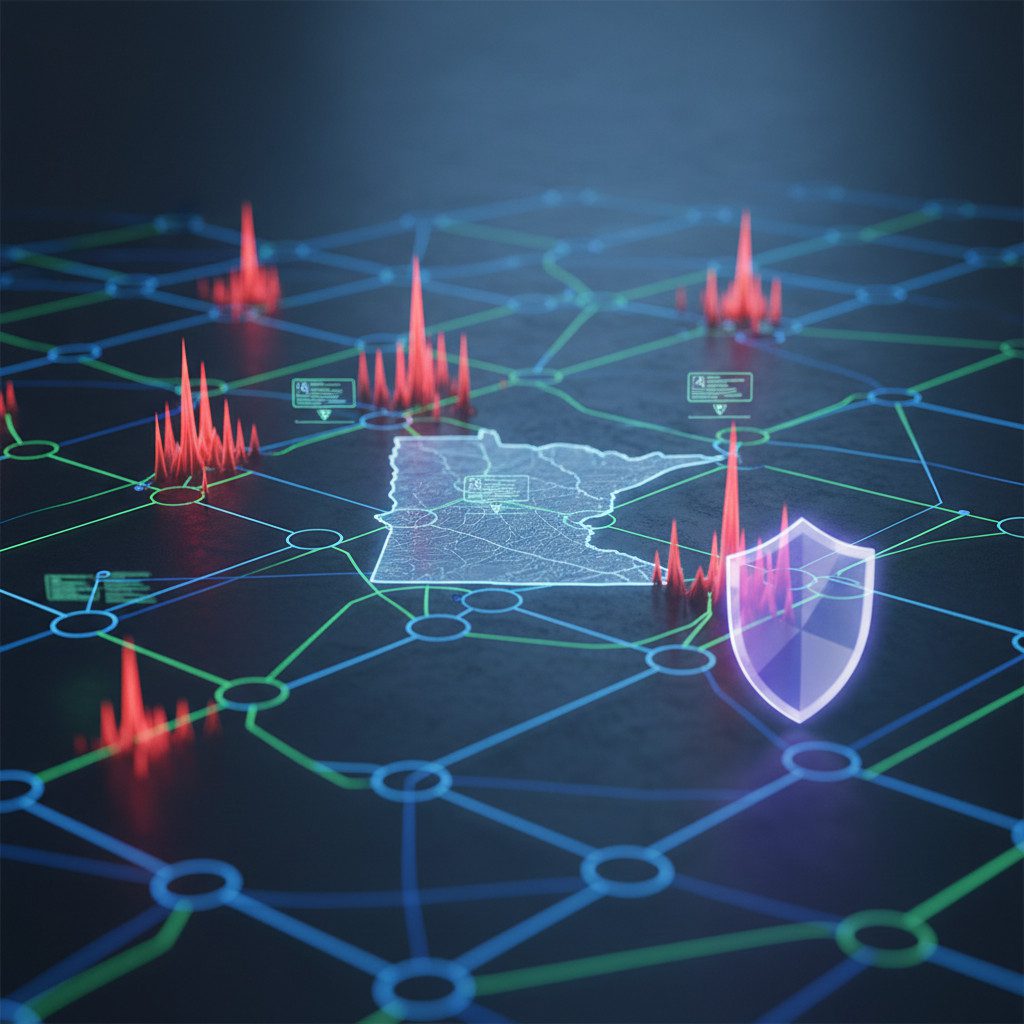

The 763 area code serves a significant portion of Minnesota, covering the northern suburbs around Minneapolis. As businesses and residents rely more on telecommunication services, it’s crucial to stay informed about common scams and phishing attempts that target this area. In this article, we’ll explore the nuances of the 763 area code, including its history, coverage, and how to safeguard yourself against fraudulent calls.
Understanding the 763 Area Code
The 763 area code was introduced in Minnesota on March 10, 1995. It covers a vast region in the central part of the state, including the northwestern suburbs of Minneapolis and St. Paul. The area code serves an extensive geographic area within the Central Time Zone, making it one of the most widely used codes in the Twin Cities metro area.
The 763 area code is managed by a telecommunications network that includes major carriers such as AT&T, CenturyLink, and T-Mobile. This region has seen significant growth over the years, with many businesses and residents relying on the reliability and coverage provided by this area code. As more people move to the northwest suburbs of Minneapolis, the demand for phone numbers in the 763 area continues to rise.
Common Scams Targeting the 763 Area Code
The 763 area code is unfortunately a prime target for scammers due to its extensive coverage and high population density. These scams often take advantage of unsuspecting residents who receive unsolicited calls or text messages claiming to be from legitimate organizations such as banks, government agencies, or tech support services.
One prevalent scam involves callers posing as representatives from major financial institutions like Wells Fargo or U.S. Bank, attempting to steal personal information by asking victims to verify their account details over the phone. Another common tactic is impersonating the IRS or local law enforcement and threatening legal action if payment isn’t made immediately.
Identifying Phishing Attempts
To protect yourself from these scams, it’s essential to recognize red flags that indicate a potential phishing attempt. For instance, legitimate organizations typically do not initiate contact by phone asking for sensitive information like Social Security numbers or banking credentials. If you receive such calls, hang up and report the incident.
Scammers may also use spoofing techniques where they display fake caller IDs to make it appear as though they are calling from a trusted source within the 763 area code. Be wary of unexpected calls requesting immediate action or offering prizes and gifts in exchange for personal data, which are all common tactics used by scammers.
Protecting Your Business with Caller ID Services
Business owners operating in the northwest suburbs of Minneapolis face unique challenges when it comes to managing incoming calls. High volumes of spam and robocalls can be disruptive and costly for businesses that rely on phone communications. Fortunately, there are several tools available to help mitigate these issues.
Caller ID services like Hiya or Nomorobo offer real-time protection against unwanted callers by blocking their numbers before they reach your business line. These platforms use advanced algorithms and user feedback systems to identify suspicious patterns associated with known scammers and spammers in the 763 area code.
Implementing a Robocall Filtering System
In addition to caller ID apps, implementing a robust robocall filtering system can significantly reduce disruptions caused by unsolicited automated calls. Many modern PBX systems come equipped with features designed specifically for this purpose, including auto-attendant scripts and call recording functionalities.
For small businesses without extensive IT support, cloud-based solutions like RingCentral or Grasshopper provide affordable alternatives that offer robust call management capabilities tailored to the needs of startups and independent contractors. By leveraging these tools, businesses can minimize the impact of fraudulent calls while maintaining professional standards for customer engagement.
Best Practices for Residents and Businesses
To further safeguard against scams targeting the 763 area code, both residents and business owners should adopt best practices that promote digital literacy and awareness. Here are some key recommendations:
- Verify Caller Information: Always verify any claims made by unknown callers through official channels before providing personal information.
- Use Do-Not-Call Lists: Register your phone number with the National Do Not Call Registry to reduce unsolicited marketing calls.
- Enable Call Blocking Features: Take advantage of built-in call blocking features on smartphones or install third-party apps designed for this purpose.
In addition, residents should educate themselves about common phishing techniques and stay vigilant regarding any suspicious activities. Regularly updating software and installing reputable antivirus programs can also help prevent malware infections that could result from clicking links in fraudulent messages or emails.
Conclusion: Staying Ahead of Scammers
The 763 area code is an essential part of telecommunications infrastructure for the northwestern suburbs of Minneapolis. However, with increased reliance on mobile devices and online communication platforms, it becomes crucial to remain vigilant against potential threats posed by scammers.
By understanding the history and scope of the 763 area code alongside implementing protective measures such as caller ID services and best practices for digital security, individuals can enjoy a safer telecommunication experience free from unnecessary stress caused by fraudulent activities.