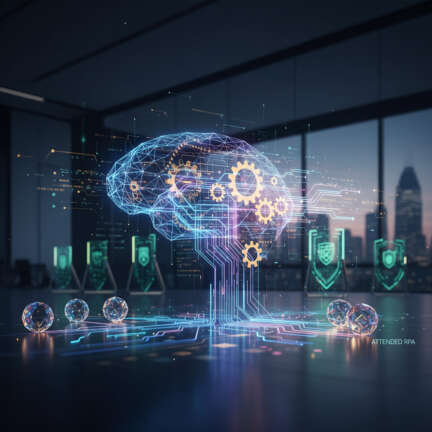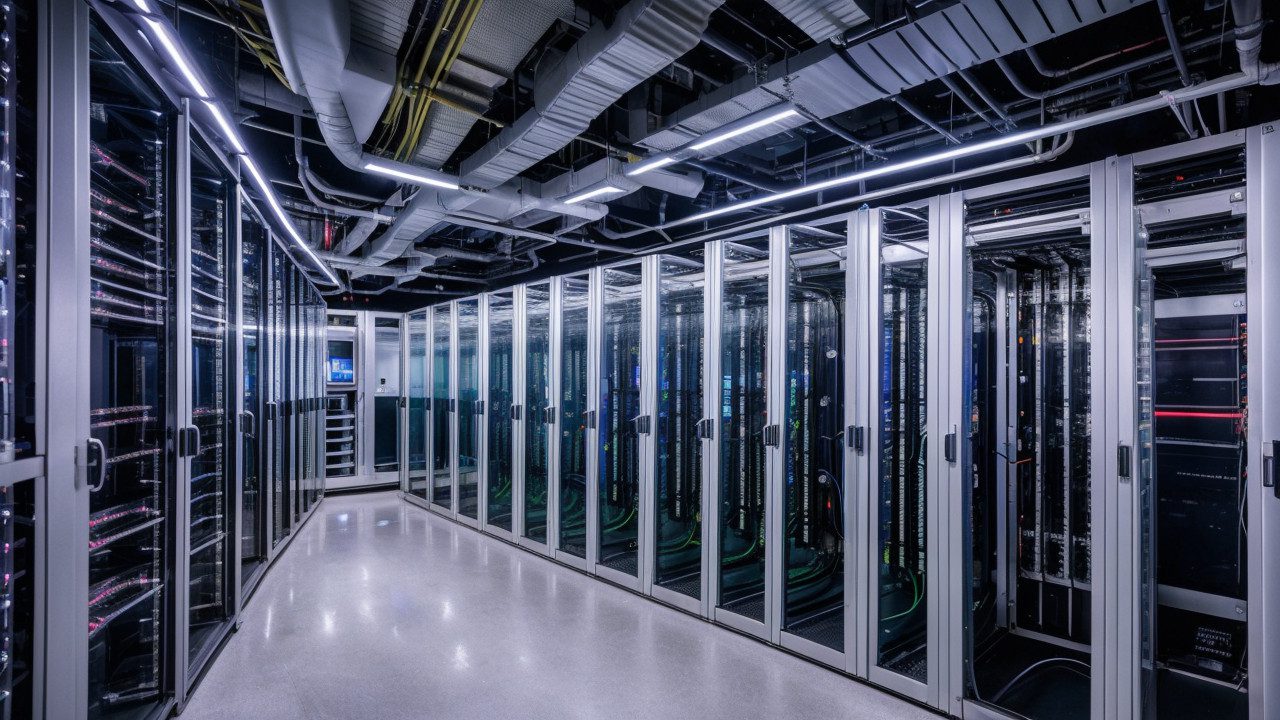

In the current technological landscape of 2026, the boundaries between the digital and physical worlds are becoming increasingly porous. We no longer live in an era where software exists solely within the confines of a desktop or a mobile screen. Instead, we are witnessing a profound convergence where the code we write, the web architectures we deploy, and the physical sensors embedded in our streets all communicate through a unified, global digital infrastructure. This interconnectedness brings unprecedented opportunities for innovation, but it also introduces complex challenges in security and integration.
To understand where we are headed, we must look at the entire spectrum of modern technology. This ranges from the micro-level details of website stack identification to the macro-level complexities of autonomous vehicle navigation. Whether you are a developer debugging a complex web application or an engineer designing the next generation of autonomous sensors, the fundamental principles of connectivity, reliability, and security remain the same. This article explores the critical intersections of web technology, AI-driven security, and the hardware innovations shaping our future.
Unmasking the Web: The Power of Stack Identification
For developers and IT professionals, understanding the underlying architecture of a web application is more than just a matter of curiosity; it is a fundamental requirement for optimization and security. This process, often referred to as website stack identification, involves peeling back the layers of a web presence to see exactly what technologies are driving the user experience. From the content management system (CMS) to the JavaScript frameworks and the server-side languages, knowing the stack is essential for anyone performing a competitive analysis or a security audit.
One of the most effective ways to achieve this is through the use of a web technology profiler. These tools scan the headers, cookies, and script signatures of a website to provide a comprehensive breakdown of its digital DNA. For instance, a developer might use a tool like builtwith.com to determine if a competitor is utilizing a specific CDN, a certain version of React, or an advanced tracking pixel. This level of visibility allows for much more informed decision-making when building out your own digital infrastructure.
However, stack identification is not just about marketing intelligence. From a defensive standpoint, knowing which libraries or frameworks are in use is the first step in vulnerability management. If a specific version of a library is found to have a critical exploit, being able to quickly profile your entire web ecosystem is vital. As web applications become more complex, the ability to automate this identification process becomes a cornerstone of modern DevOps and site reliability engineering.
Securing the Modern Perimeter: IT Security Engineering in the AI Era
As our digital infrastructure expands to include everything from cloud microservices to IoT devices, the surface area for potential attacks grows exponentially. This reality has fundamentally transformed the field of IT security engineering. We have moved past the era of simple firewalls and perimeter-based security into a world of Zero Trust architectures and continuous authentication. In this new paradigm, every request, whether it originates from inside or outside the network, must be verified.
The rise of artificial intelligence has introduced a dual-edged sword to this landscape. On one hand, AI technology news is filled with stories of sophisticated, automated phishing attacks and AI-generated malware that can adapt to bypass traditional detection methods. On the other hand, AI is our most powerful ally in defense. Modern security engineering now relies heavily on machine learning models that can analyze massive amounts of network traffic in real-time to identify patterns indicative of a breach long before a human operator could notice.
According to recent discussions found on bbc.com, the integration of AI into security operations is no longer optional; it is a necessity for managing the sheer volume of telemetry data generated by modern enterprises. Security engineers are now tasked with building systems that can not only detect threats but also autonomously respond to them. This involves creating self-healing networks and automated incident response playbooks that can isolate compromised nodes within milliseconds, preventing the lateral movement of attackers across the organization.
From Pixels to Pulses: Lidar Innovation and Autonomous Systems
While much of our focus is often on the bits and bytes of the web, there is an equally significant revolution happening in the realm of physical sensors. The development of autonomous vehicles is perhaps the most visible example of how advanced software meets cutting-edge hardware. At the heart of this revolution is Lidar innovation. Lidar, or Light Detection and Ranging, uses pulsed laser light to measure distances to objects, creating high-resolution 3D maps of the surrounding environment.
The evolution of autonomous vehicle sensors has been nothing shortder than extraordinary. Early Lidar units were massive, expensive, and relied on complex rotating mechanisms that were difficult to integrate into production vehicles. However, the industry is rapidly moving toward solid-state Lidar, which offers greater durability, lower cost, and a much smaller footprint. This transition is critical for the mass adoption of autonomous driving, as it allows for the seamless integration of sensors into the vehicle’s bodywork without compromising aerodynamics or aesthetics.
The true magic, however, happens in the processing of this sensor data. The “point clouds” generated by Lidar must be processed in real-time by powerful onboard computers running sophisticated computer vision algorithms. This requires a level of computational efficiency that pushes the boundaries of modern hardware. As we see discussed on techradar.com, the synergy between sensor precision and AI-driven perception is what will ultimately determine the safety and reliability of self-driving cars in complex urban environments.
The Developer’s Toolkit: Navigating AI and Software Evolution
For the modern developer, staying relevant means constantly updating your repertoire of software development tools. The emergence of generative AI has fundamentally altered the Software Development Life Cycle (SDLC). We are no longer just writing code; we are collaborating with intelligent agents that can suggest entire functions, debug complex logic, and even write unit tests. This shift is significantly increasing developer productivity, but it also requires a new set of skills centered around code review, prompt engineering, and architectural oversight.
The challenge for developers in 2026 is to avoid the trap of “automation complacency.” While AI can handle the boilerplate, the human developer must remain the architect of the system, ensuring that the code is not only functional but also secure, performant, and maintainable. The ability to use AI to accelerate development while maintaining a deep understanding of the underlying principles is the hallmark of a top-tier engineer in this new era.
Furthermore, the tools we use to manage our digital infrastructure are becoming more integrated. Modern IDEs are now deeply connected to cloud-native monitoring tools and security scanners. This integration allows for a “shift-left” approach to development, where security and performance considerations are addressed during the coding phase rather than after deployment. Embracing this integrated ecosystem is essential for anyone looking to navigate the complexities of modern software engineering.
TL;DR
Key Takeaways:
- Web Tech: Using a web technology profiler is essential for website stack identification, aiding in both competitive analysis and security auditing.
- Security: IT security engineering is evolving toward AI-driven, Zero Trust models to combat increasingly sophisticated, automated threats.
- Hardware: Lidar innovation and the advancement of autonomous vehicle sensors are critical drivers in the transition to fully autonomous transportation.
- Development: The integration of AI into software development tools is transforming the SDLC, requiring developers to focus more on architecture and oversight.
- Infrastructure: The convergence of web, AI, and physical sensors is creating a highly interconnected and complex digital infrastructure.