
In the rapidly evolving digital landscape of 2026, information technology (IT) remains the backbone of modern business and communication. From managing computer systems to enabling seamless electronic data exchange, IT has transformed the way we live and work. Whether you’re a business owner, IT professional, or technology enthusiast, understanding the intricacies of IT is crucial for staying ahead in this dynamic field.
This comprehensive guide delves into the essence of information technology, exploring its core components, recent advancements, and future trends. By the end of this article, you’ll have a clear understanding of how IT shapes our world and what lies ahead in the IT industry.
The Fundamentals of Information Technology
Information technology encompasses a broad range of disciplines focused on the management, processing, and exchange of digital information. At its core, IT involves the use of computer systems, networks, and storage solutions to facilitate data processing and communication. According to comptia.org, IT is essential for businesses to operate efficiently and compete in the digital age.
The foundational elements of IT include hardware, software, networking, and data management. Hardware refers to the physical components of computer systems, such as servers, laptops, and mobile devices. Software, on the other hand, includes the programs and applications that run on these devices, enabling users to perform various tasks. Networking involves the infrastructure that connects different devices and systems, allowing for the seamless exchange of data. Data management encompasses the processes and tools used to store, organize, and analyze digital information.
The Role of IT in Business
In the business world, IT plays a pivotal role in enhancing productivity, streamlining operations, and driving innovation. Companies rely on IT systems to manage their day-to-day activities, from accounting and inventory management to customer relationship management (CRM). By leveraging IT solutions, businesses can automate repetitive tasks, reduce human error, and gain valuable insights from data analytics.
Moreover, IT enables businesses to communicate and collaborate more effectively. Cloud computing and virtual private networks (VPNs) allow employees to access company resources from anywhere in the world, fostering a more flexible and remote-friendly work environment. As noted by tamuct.edu, the integration of IT into business operations has become a strategic imperative for organizations looking to maintain a competitive edge.
Key Components of Information Technology
To fully grasp the scope of IT, it’s essential to understand its key components. These include computer systems, networking, data storage, and software applications. Each of these components plays a critical role in the functioning of IT infrastructure.
Computer systems form the backbone of IT, providing the processing power and storage capacity needed to handle digital information. Networks, such as local area networks (LANs) and wide area networks (WANs), facilitate the exchange of data between different devices and systems. Data storage solutions, including hard drives, solid-state drives (SSDs), and cloud storage, ensure that digital information is securely stored and easily accessible. Software applications, ranging from operating systems to specialized business tools, enable users to perform a wide range of tasks.
Computer Systems and Data Processing
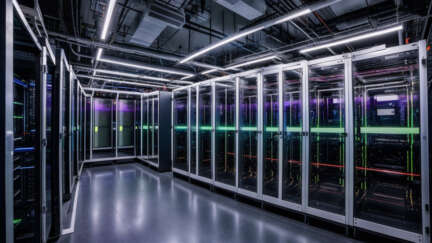
Computer systems are the heart of IT, responsible for processing and managing digital information. These systems can range from personal computers to powerful servers capable of handling complex computations. Data processing involves the manipulation and analysis of data to extract meaningful insights. According to techtarget.com, efficient data processing is crucial for businesses to make informed decisions and optimize their operations.
Modern computer systems are equipped with advanced processors, memory, and storage capabilities, allowing them to handle large volumes of data with ease. The integration of artificial intelligence (AI) and machine learning (ML) technologies has further enhanced the capabilities of computer systems, enabling them to perform tasks that were once thought to be exclusively human.
The Evolution of IT in 2026
The IT industry is constantly evolving, driven by technological advancements and changing business needs. In 2026, several key trends are shaping the future of IT. These include the rise of AI and ML, the proliferation of Internet of Things (IoT) devices, and the increasing importance of cybersecurity.
AI and ML technologies are revolutionizing the way businesses operate, enabling them to automate processes, analyze data, and make predictions with unprecedented accuracy. IoT devices, which range from smart home appliances to industrial sensors, are generating vast amounts of data that need to be processed and analyzed. Cybersecurity has become a top priority for organizations, as the threat of cyber attacks continues to grow.
The Impact of AI and ML
AI and ML are transforming the IT landscape, providing businesses with powerful tools to enhance their operations. These technologies can analyze large datasets, identify patterns, and make predictions, enabling businesses to make data-driven decisions. AI-powered chatbots and virtual assistants are improving customer service, while ML algorithms are optimizing supply chain management and inventory control.
As highlighted by cisco.com, the integration of AI and ML into IT systems is driving innovation and efficiency across various industries. From healthcare to finance, these technologies are enabling businesses to deliver better services and achieve their strategic goals.
The Future of Information Technology
The future of IT is bright, with numerous advancements on the horizon. Emerging technologies such as quantum computing, blockchain, and edge computing are set to revolutionize the way we manage and process digital information. These technologies promise to enhance data security, improve processing speeds, and enable real-time data analysis.
Quantum computing, for instance, has the potential to solve complex problems that are currently beyond the reach of classical computers. Blockchain technology is transforming the way we handle transactions, ensuring transparency and security. Edge computing is bringing data processing closer to the source, reducing latency and improving efficiency.
TL;DR
Information technology is the backbone of the digital age, enabling businesses to operate efficiently and innovate. Key components of IT include computer systems, networking, data storage, and software applications. In 2026, trends such as AI, ML, IoT, and cybersecurity are shaping the future of the IT industry. Emerging technologies like quantum computing, blockchain, and edge computing promise to further revolutionize the field.
Understanding the fundamentals of IT and staying updated on the latest trends is essential for business owners, IT professionals, and technology enthusiasts. By leveraging the power of IT, organizations can enhance their operations, drive innovation, and achieve their strategic goals in an increasingly digital world.