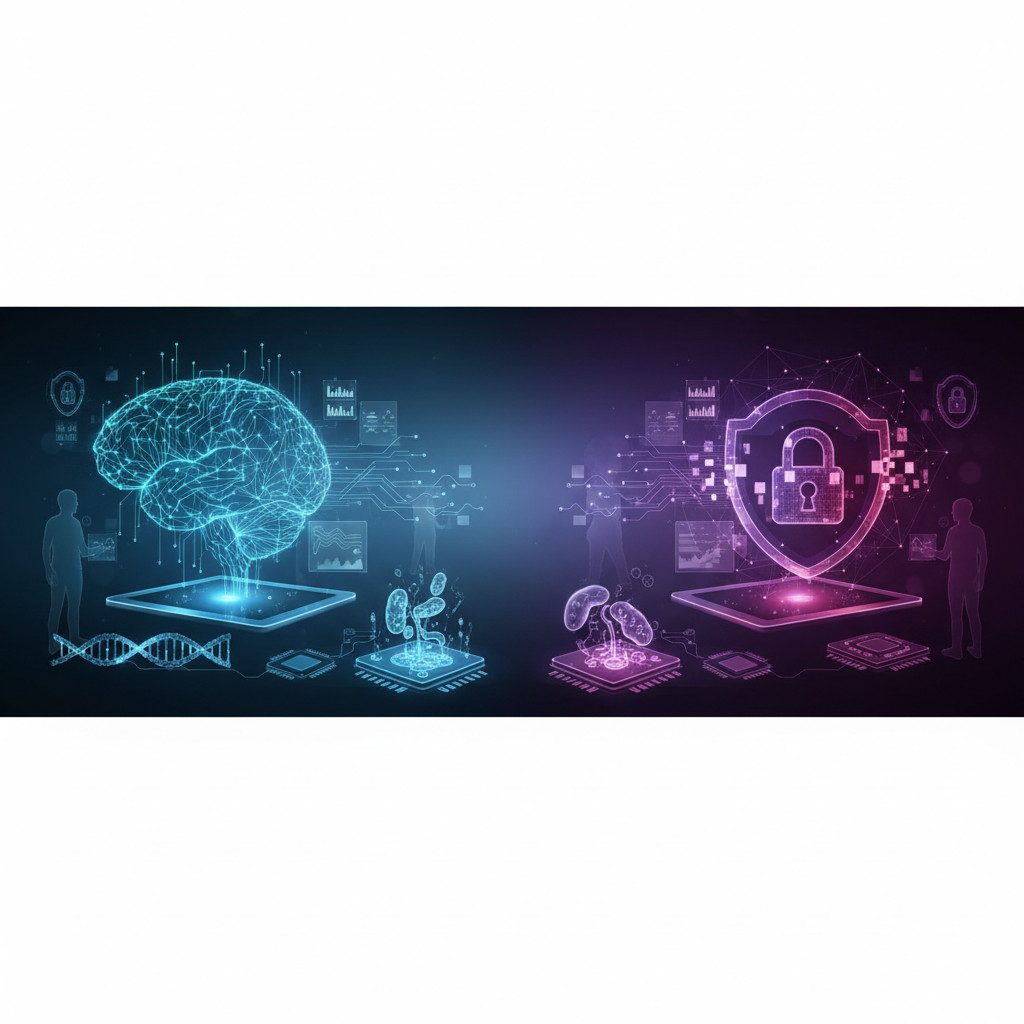

Artificial intelligence (AI) is revolutionizing office work, offering unprecedented efficiency and personalized treatments. However, the integration of AI agents into daily operations also raises concerns about sensitive information and confidential data. This article delves into the benefits and risks of AI in the workplace, providing practical advice for business professionals and IT specialists to harness AI’s potential while safeguarding critical information.
As AI agents become more sophisticated, they are increasingly used for tasks ranging from data analysis to customer service. These agents can process vast amounts of information quickly, providing insights and personalized treatments that were previously unattainable. However, the same capabilities that make AI agents valuable also pose risks, particularly when handling sensitive information. Understanding these dynamics is crucial for any organization looking to integrate AI into its workflow.
The Benefits of AI Agents in Office Work
AI agents offer numerous advantages in the office environment. They can automate routine tasks, freeing up employees to focus on more complex and creative work. For example, AI agents can manage schedules, respond to customer inquiries, and even draft reports. This not only increases efficiency but also reduces the likelihood of human error.
Moreover, AI agents can provide personalized treatments and solutions tailored to individual needs. In healthcare, for instance, AI can analyze patient data to recommend personalized treatments based on unique health profiles. This level of customization is transforming various industries, from finance to education, by offering solutions that are more accurate and responsive to individual requirements.
Enhancing Productivity
One of the most significant benefits of AI agents is their ability to enhance productivity. By automating repetitive tasks, AI agents allow employees to focus on higher-value activities. This shift can lead to increased job satisfaction and better overall performance. For instance, AI agents can handle data entry, allowing employees to concentrate on strategic planning and decision-making.
Additionally, AI agents can provide real-time insights and analytics, helping businesses make data-driven decisions. This capability is particularly valuable in fast-paced environments where timely information is crucial. AI agents can analyze large datasets quickly, identifying trends and patterns that might otherwise go unnoticed.
Improving Customer Service
AI agents are also transforming customer service by providing 24/7 support. Chatbots and virtual assistants can handle customer inquiries around the clock, ensuring that customers receive prompt and accurate responses. This not only improves customer satisfaction but also reduces the workload on human customer service representatives.
Furthermore, AI agents can personalize customer interactions based on past behavior and preferences. This level of customization can enhance the customer experience, leading to increased loyalty and repeat business. For example, AI agents can recommend products or services tailored to individual customer needs, based on their purchase history and browsing behavior.
The Risks of AI Agents in Handling Sensitive Information
While AI agents offer numerous benefits, they also pose risks, particularly when handling sensitive information. Confidential data, such as customer details or proprietary business information, must be protected to prevent breaches and unauthorized access. Understanding these risks is essential for any organization looking to integrate AI into its operations.
One of the primary concerns is the potential for AI agents to inadvertently expose sensitive information. This can occur through various means, such as data leaks, hacking, or even simple human error. For example, an AI agent might be programmed to share data with unauthorized parties, leading to a breach of confidentiality. Organizations must implement robust security measures to mitigate these risks.
Data Breaches and Unauthorized Access
Data breaches are a significant risk when using AI agents to handle sensitive information. Hackers can exploit vulnerabilities in AI systems to gain unauthorized access to confidential data. This can result in severe consequences, including financial loss, reputational damage, and legal liabilities. Organizations must ensure that their AI systems are secure and regularly updated to protect against potential threats.
Additionally, AI agents can be targeted by malicious actors seeking to manipulate or steal data. For instance, an AI agent might be tricked into revealing sensitive information through phishing or social engineering attacks. Organizations must train their employees to recognize and respond to these threats, as well as implement security protocols to protect their AI systems.
Ethical Considerations
Ethical considerations are also crucial when using AI agents to handle sensitive information. Organizations must ensure that their AI systems respect privacy rights and comply with relevant regulations. For example, the General Data Protection Regulation (GDPR) in the European Union imposes strict requirements on how personal data must be handled. Organizations must ensure that their AI systems adhere to these regulations to avoid legal penalties.
Moreover, organizations must consider the ethical implications of using AI agents to make decisions that impact individuals. For instance, AI agents might be used to determine eligibility for loans or insurance policies. Organizations must ensure that these decisions are fair and unbiased, and that individuals have the right to challenge them. Ethical considerations are essential for building trust and maintaining a positive reputation.
Strategies for Balancing Efficiency and Security
Balancing efficiency and security is crucial for organizations looking to integrate AI into their operations. While AI agents offer numerous benefits, they also pose risks that must be managed effectively. Organizations must implement strategies to ensure that their AI systems are both efficient and secure.
One of the key strategies is to implement robust security measures to protect sensitive information. This includes using encryption, access controls, and regular security audits. Organizations must also ensure that their AI systems are regularly updated to protect against potential threats. By taking a proactive approach to security, organizations can minimize the risks associated with AI agents.
Implementing Security Protocols
Implementing security protocols is essential for protecting sensitive information handled by AI agents. This includes using encryption to protect data in transit and at rest, as well as implementing access controls to limit who can access confidential information. Organizations must also conduct regular security audits to identify and address potential vulnerabilities in their AI systems.
Additionally, organizations must train their employees on security best practices. This includes recognizing and responding to phishing attacks, as well as understanding the importance of data privacy. By fostering a culture of security awareness, organizations can reduce the likelihood of data breaches and unauthorized access.
Regular Updates and Maintenance
Regular updates and maintenance are crucial for ensuring the security of AI systems. Organizations must keep their AI systems up-to-date with the latest security patches and software updates. This helps to protect against known vulnerabilities and potential threats. Additionally, organizations must conduct regular maintenance to ensure that their AI systems are functioning optimally.
Moreover, organizations must monitor their AI systems for any unusual activity or behavior. This includes using AI-driven monitoring tools to detect and respond to potential threats in real-time. By taking a proactive approach to maintenance and monitoring, organizations can ensure that their AI systems remain secure and efficient.
Real-World Applications and Case Studies
Real-world applications and case studies provide valuable insights into the benefits and risks of AI agents in office work. By examining how other organizations have integrated AI into their operations, businesses can learn from their experiences and avoid common pitfalls. This section explores some notable case studies and their implications for AI integration.
For example, the National Technical Information Service (NTIS) has been exploring the use of AI agents to manage large datasets and provide insights. According to ntis.gov, AI agents can analyze vast amounts of data quickly, identifying trends and patterns that might otherwise go unnoticed. This capability is particularly valuable in research and development, where timely information is crucial. However, NTIS also highlights the importance of implementing robust security measures to protect sensitive information.
Organ-on-a-Chip Technology
Organ-on-a-chip technology is another exciting application of AI in healthcare. This technology uses AI agents to simulate the behavior of human organs, providing valuable insights into disease mechanisms and potential treatments. According to bbc.com, organ-on-a-chip technology has the potential to revolutionize drug development and personalized medicine. However, it also raises ethical considerations, such as the need to ensure that AI systems respect privacy rights and comply with relevant regulations.
Organ-on-a-chip technology demonstrates the potential of AI agents to transform various industries, from healthcare to finance. By providing personalized treatments and solutions, AI agents can enhance the quality of care and improve patient outcomes. However, organizations must also consider the ethical implications of using AI agents to make decisions that impact individuals.
Future Trends and Innovations
The future of AI in office work is bright, with numerous innovations and trends on the horizon. As AI agents become more sophisticated, they will continue to transform various industries, offering new opportunities for efficiency and personalization. This section explores some of the key trends and innovations shaping the future of AI in the workplace.
One of the key trends is the integration of AI with other emerging technologies, such as the Internet of Things (IoT) and blockchain. This integration can enhance the capabilities of AI agents, providing more accurate and responsive solutions. For example, AI agents can analyze data from IoT devices to optimize operations and improve efficiency. Additionally, blockchain can be used to secure sensitive information handled by AI agents, ensuring data integrity and privacy.
Ethical AI and Responsible Innovation
Ethical AI and responsible innovation are also crucial for the future of AI in office work. Organizations must ensure that their AI systems respect privacy rights and comply with relevant regulations. This includes implementing ethical guidelines and best practices for AI development and deployment. By fostering a culture of responsible innovation, organizations can build trust and maintain a positive reputation.
Moreover, organizations must consider the social and environmental implications of AI agents. For instance, AI agents can be used to optimize resource usage and reduce waste, contributing to sustainability efforts. By taking a holistic approach to AI integration, organizations can maximize the benefits of AI while minimizing its risks.
TL;DR
AI agents are transforming office work by enhancing productivity, improving customer service, and providing personalized treatments. However, they also pose risks, particularly when handling sensitive information. Organizations must implement robust security measures to protect confidential data and ensure compliance with relevant regulations. By taking a proactive approach to security and ethical considerations, businesses can harness the potential of AI while safeguarding critical information. Future trends and innovations, such as the integration of AI with IoT and blockchain, offer exciting opportunities for efficiency and personalization. Ethical AI and responsible innovation are essential for building trust and maintaining a positive reputation.