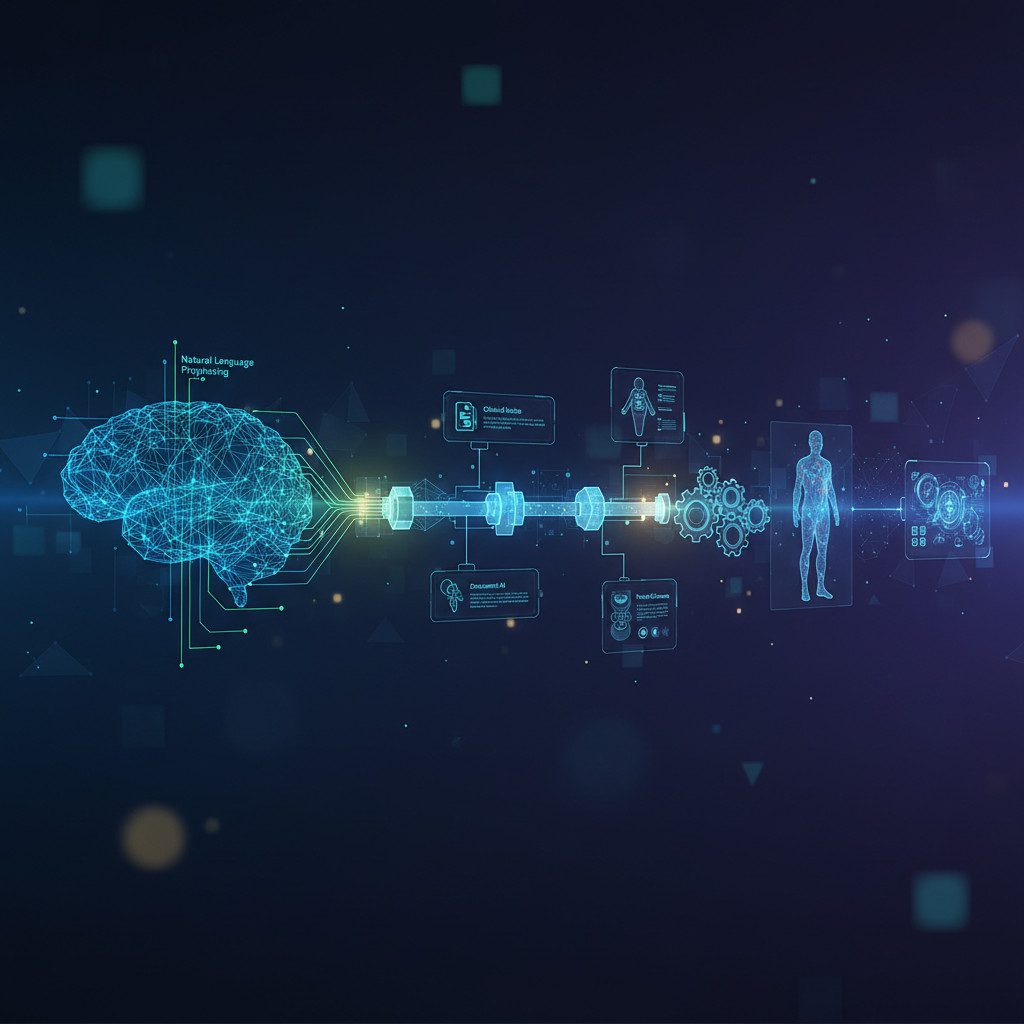

In the rapidly evolving landscape of healthcare, technology plays a pivotal role in enhancing patient care and operational efficiency. One of the most transformative technologies in this sector is Natural Language Processing (NLP). NLP, a branch of artificial intelligence, enables computers to understand, interpret, and generate human language. Its applications in healthcare are vast, ranging from analyzing clinical notes to improving patient outcomes and streamlining administrative processes.
This article delves into the world of NLP in healthcare, exploring its applications, benefits, and the future it promises. Whether you’re a healthcare professional, a technology enthusiast, or a business analyst, understanding NLP’s potential can open up new avenues for innovation and improvement in the healthcare sector.
Understanding Natural Language Processing
Natural Language Processing (NLP) is a subfield of AI that focuses on the interaction between computers and humans through natural language. The technology enables machines to read, understand, and derive meaning from human language in a valuable way. From simple tasks like spell-check and autocomplete to complex applications like sentiment analysis and language translation, NLP is ubiquitous in today’s digital world.
NLP combines computational linguistics—rule-based modeling of human language—with statistical, machine learning, and deep learning models. It uses algorithms to analyze and derive meaning from human language in a way that is both valuable and contextual. The goal is to make human-computer interaction as seamless as human-human interaction. For a deeper understanding of NLP, you can refer to geeksforgeeks.org and datacamp.com.
Key Components of NLP
NLP systems typically involve several key components:
- Tokenization: Breaking down text into smaller units, such as words or sentences.
- Part-of-Speech Tagging: Identifying the grammatical structure of sentences.
- Named Entity Recognition: Identifying and classifying entities in text, such as names, dates, and locations.
- Sentiment Analysis: Determining the emotional tone behind words to gain an understanding of the attitudes, emotions, and opinions expressed.
- Machine Translation: Automatically translating text from one language to another.
NLP in Healthcare: Applications and Benefits
Healthcare is one of the most data-rich industries, generating vast amounts of unstructured data in the form of clinical notes, medical records, and patient feedback. NLP provides a powerful tool to extract meaningful insights from this data, leading to improved patient outcomes and streamlined administrative processes.
From automating routine tasks to providing critical insights for diagnosis and treatment, NLP is transforming the way healthcare professionals operate. Its applications are diverse, ranging from clinical decision support to natural language understanding and generation. For more information on NLP applications, visit geeksforgeeks.org.
Clinical Notes and Patient Outcomes
Clinical notes are a rich source of information that can provide valuable insights into patient health. However, manually analyzing these notes is time-consuming and prone to human error. NLP automates the process of extracting relevant information from clinical notes, enabling healthcare professionals to make data-driven decisions.
For example, NLP can identify patterns and trends in patient data, helping to predict patient deterioration and improve outcomes. It can also assist in diagnosing conditions by analyzing symptoms and medical history. By automating these processes, NLP frees up time for healthcare professionals to focus on patient care.
Administrative Processes
Administrative tasks, such as coding and billing, are essential but time-consuming. NLP can automate these processes, reducing the administrative burden on healthcare professionals and improving efficiency. For instance, NLP can analyze clinical documentation and automatically assign the appropriate codes for billing and insurance purposes.
Additionally, NLP can streamline the process of scheduling appointments and managing patient records. By automating these tasks, healthcare organizations can reduce costs and improve the overall patient experience.
The Future of NLP in Healthcare
The potential of NLP in healthcare is vast, and its applications are continually evolving. As technology advances, we can expect to see even more innovative uses of NLP in the healthcare sector. From personalized medicine to predictive analytics, NLP is poised to revolutionize the way healthcare is delivered.
One area of promise is the use of NLP for predictive analytics. By analyzing large datasets, NLP can identify patterns and trends that can predict patient outcomes and inform treatment decisions. This can lead to more personalized and effective care, ultimately improving patient outcomes.
Another exciting development is the use of NLP for natural language understanding and generation. This can enable more intuitive and seamless interactions between patients and healthcare systems, such as virtual health assistants and chatbots. For a comprehensive overview of NLP, refer to kdnuggets.com and wikipedia.org.
Challenges and Considerations
While the benefits of NLP in healthcare are numerous, there are also challenges and considerations to keep in mind. One of the main challenges is the complexity of human language. Medical terminology is highly specialized and can vary between regions and healthcare systems, making it difficult for NLP systems to accurately interpret and analyze.
Another consideration is data privacy and security. Healthcare data is highly sensitive, and ensuring the privacy and security of this data is paramount. Healthcare organizations must implement robust security measures to protect patient data and comply with regulations such as HIPAA.
TL;DR
Natural Language Processing (NLP) is a powerful tool that is transforming the healthcare sector. Its applications range from analyzing clinical notes to improving patient outcomes and streamlining administrative processes. While there are challenges to overcome, the potential of NLP in healthcare is vast, and its applications are continually evolving.
As technology advances, we can expect to see even more innovative uses of NLP in healthcare, leading to more personalized and effective care. Healthcare professionals, technology enthusiasts, and business analysts should stay informed about the latest developments in NLP to leverage its potential and drive innovation in the healthcare sector.