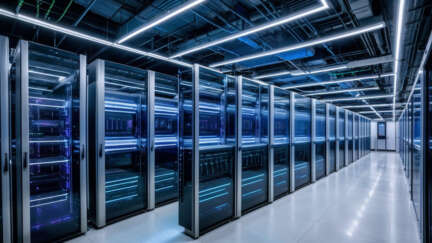

The financial markets have undergone significant changes in recent years, driven by technological advancements and shifting investor behaviors. One of the most notable developments is the rise of trading bots powered by artificial intelligence (AI) tools.
Trading bots use AI algorithms to analyze vast amounts of market data, identify patterns, and make trades at incredible speeds. This has transformed the way investors trade and invest, offering unparalleled efficiency, accuracy, and scalability.
The History of Trading Bots
The History of Trading Bots
The concept of trading bots dates back to the early 1990s, when algorithmic trading systems first emerged. These early systems were relatively simple and relied on basic mathematical formulas to execute trades. However, as computing power increased and data became more readily available, these systems evolved into sophisticated tools that could analyze vast amounts of information and make complex decisions.
One of the key milestones in the development of trading bots was the rise of high-frequency trading (HFT). HFT firms began using complex algorithms to execute thousands of trades per second, often with a focus on profiting from small price discrepancies between different exchanges. This new breed of trader relied heavily on advanced technology and data analysis to gain an edge over traditional investors.
Despite its reputation for being a “dark pool” of trading activity, HFT played a crucial role in the development of modern trading bots. The techniques and strategies developed by HFT firms paved the way for the creation of more sophisticated AI-powered trading tools.
The Emergence of AI-Powered Trading Tools
In recent years, the rise of artificial intelligence (AI) has revolutionized the world of trading bots. AI-powered tools use machine learning algorithms to analyze vast amounts of data and make predictions about future market trends. These systems can identify complex patterns and relationships that would be impossible for human traders to spot.
The development of AI-powered trading tools has been driven in part by advances in computing power and data storage. The increasing availability of high-performance computing resources has enabled the creation of more sophisticated models and algorithms, while the proliferation of online data sources has provided a wealth of information for these systems to analyze.
Regulatory bodies have also played a key role in shaping the development of trading bots. In 2010, the US Securities and Exchange Commission (SEC) implemented new regulations aimed at controlling the activities of HFT firms. These rules required traders to disclose their identities and trading strategies, effectively bringing HFT into the mainstream.
However, despite these efforts, concerns about market manipulation and unfair trading practices continue to plague the industry. In 2018, the SEC fined several major banks for participating in a complex scheme to manipulate benchmark interest rates. This incident highlighted the ongoing need for regulatory oversight and transparency in the world of trading bots.
As we move forward, it’s likely that AI-powered trading tools will play an increasingly prominent role in financial markets. The future of trading bots will depend on continued advances in technology and data analysis, as well as a sustained commitment to regulatory oversight and fairness.
How Trading Bots Work
The History of Trading Bots
The concept of trading bots dates back to the early 1990s, when algorithmic trading systems first emerged. These early systems were relatively simple and relied on basic mathematical formulas to execute trades. However, as computing power increased and data became more readily available, these systems evolved into sophisticated tools that could analyze vast amounts of information and make complex decisions.
One of the key milestones in the development of trading bots was the rise of high-frequency trading (HFT). HFT firms began using complex algorithms to execute thousands of trades per second, often with a focus on profiting from small price discrepancies between different exchanges. This new breed of trader relied heavily on advanced technology and data analysis to gain an edge over traditional investors.
Despite its reputation for being a “dark pool” of trading activity, HFT played a crucial role in the development of modern trading bots. The techniques and strategies developed by HFT firms paved the way for the creation of more sophisticated AI-powered trading tools.
The Emergence of AI-Powered Trading Tools
In recent years, the rise of artificial intelligence (AI) has revolutionized the world of trading bots. AI-powered tools use machine learning algorithms to analyze vast amounts of data and make predictions about future market trends. These systems can identify complex patterns and relationships that would be impossible for human traders to spot.
The development of AI-powered trading tools has been driven in part by advances in computing power and data storage. The increasing availability of high-performance computing resources has enabled the creation of more sophisticated models and algorithms, while the proliferation of online data sources has provided a wealth of information for these systems to analyze.
Regulatory bodies have also played a key role in shaping the development of trading bots. In 2010, the US Securities and Exchange Commission (SEC) implemented new regulations aimed at controlling the activities of HFT firms. These rules required traders to disclose their identities and trading strategies, effectively bringing HFT into the mainstream.
However, despite these efforts, concerns about market manipulation and unfair trading practices continue to plague the industry. In 2018, the SEC fined several major banks for participating in a complex scheme to manipulate benchmark interest rates. This incident highlighted the ongoing need for regulatory oversight and transparency in the world of trading bots.
As we move forward, it’s likely that AI-powered trading tools will play an increasingly prominent role in financial markets. The future of trading bots will depend on continued advances in technology and data analysis, as well as a sustained commitment to regulatory oversight and fairness.
Benefits and Risks of Trading Bots
The History of Trading Bots
The concept of trading bots dates back to the early 1990s, when algorithmic trading systems first emerged. These early systems were relatively simple and relied on basic mathematical formulas to execute trades. However, as computing power increased and data became more readily available, these systems evolved into sophisticated tools that could analyze vast amounts of information and make complex decisions.
One of the key milestones in the development of trading bots was the rise of high-frequency trading (HFT). HFT firms began using complex algorithms to execute thousands of trades per second, often with a focus on profiting from small price discrepancies between different exchanges. This new breed of trader relied heavily on advanced technology and data analysis to gain an edge over traditional investors.
Despite its reputation for being a “dark pool” of trading activity, HFT played a crucial role in the development of modern trading bots. The techniques and strategies developed by HFT firms paved the way for the creation of more sophisticated AI-powered trading tools.
The Emergence of AI-Powered Trading Tools
In recent years, the rise of artificial intelligence (AI) has revolutionized the world of trading bots. AI-powered tools use machine learning algorithms to analyze vast amounts of data and make predictions about future market trends. These systems can identify complex patterns and relationships that would be impossible for human traders to spot.
The development of AI-powered trading tools has been driven in part by advances in computing power and data storage. The increasing availability of high-performance computing resources has enabled the creation of more sophisticated models and algorithms, while the proliferation of online data sources has provided a wealth of information for these systems to analyze.
Regulatory bodies have also played a key role in shaping the development of trading bots. In 2010, the US Securities and Exchange Commission (SEC) implemented new regulations aimed at controlling the activities of HFT firms. These rules required traders to disclose their identities and trading strategies, effectively bringing HFT into the mainstream.
However, despite these efforts, concerns about market manipulation and unfair trading practices continue to plague the industry. In 2018, the SEC fined several major banks for participating in a complex scheme to manipulate benchmark interest rates. This incident highlighted the ongoing need for regulatory oversight and transparency in the world of trading bots.
As we move forward, it’s likely that AI-powered trading tools will play an increasingly prominent role in financial markets. The future of trading bots will depend on continued advances in technology and data analysis, as well as a sustained commitment to regulatory oversight and fairness.
Real-World Examples of Trading Bots
The History of Trading Bots
The concept of trading bots dates back to the early 1990s, when algorithmic trading systems first emerged. These early systems were relatively simple and relied on basic mathematical formulas to execute trades. However, as computing power increased and data became more readily available, these systems evolved into sophisticated tools that could analyze vast amounts of information and make complex decisions.
One of the key milestones in the development of trading bots was the rise of high-frequency trading (HFT). HFT firms began using complex algorithms to execute thousands of trades per second, often with a focus on profiting from small price discrepancies between different exchanges. This new breed of trader relied heavily on advanced technology and data analysis to gain an edge over traditional investors.
Despite its reputation for being a “dark pool” of trading activity, HFT played a crucial role in the development of modern trading bots. The techniques and strategies developed by HFT firms paved the way for the creation of more sophisticated AI-powered trading tools.
The Emergence of AI-Powered Trading Tools
In recent years, the rise of artificial intelligence (AI) has revolutionized the world of trading bots. AI-powered tools use machine learning algorithms to analyze vast amounts of data and make predictions about future market trends. These systems can identify complex patterns and relationships that would be impossible for human traders to spot.
The development of AI-powered trading tools has been driven in part by advances in computing power and data storage. The increasing availability of high-performance computing resources has enabled the creation of more sophisticated models and algorithms, while the proliferation of online data sources has provided a wealth of information for these systems to analyze.
Regulatory bodies have also played a key role in shaping the development of trading bots. In 2010, the US Securities and Exchange Commission (SEC) implemented new regulations aimed at controlling the activities of HFT firms. These rules required traders to disclose their identities and trading strategies, effectively bringing HFT into the mainstream.
However, despite these efforts, concerns about market manipulation and unfair trading practices continue to plague the industry. In 2018, the SEC fined several major banks for participating in a complex scheme to manipulate benchmark interest rates. This incident highlighted the ongoing need for regulatory oversight and transparency in the world of trading bots.
As we move forward, it’s likely that AI-powered trading tools will play an increasingly prominent role in financial markets. The future of trading bots will depend on continued advances in technology and data analysis, as well as a sustained commitment to regulatory oversight and fairness.
Conclusions
In conclusion, trading bots with AI tools are revolutionizing financial markets by providing unprecedented levels of automation, precision, and speed. As this technology continues to evolve, it’s likely that we’ll see even more sophisticated trading strategies emerge. For investors looking to stay ahead of the curve, embracing trading bots is no longer a nicety but a necessity.
However, with great power comes great responsibility. It’s essential for traders to understand how these tools work and to use them judiciously to avoid potential pitfalls. By doing so, they can unlock significant benefits while minimizing risks.