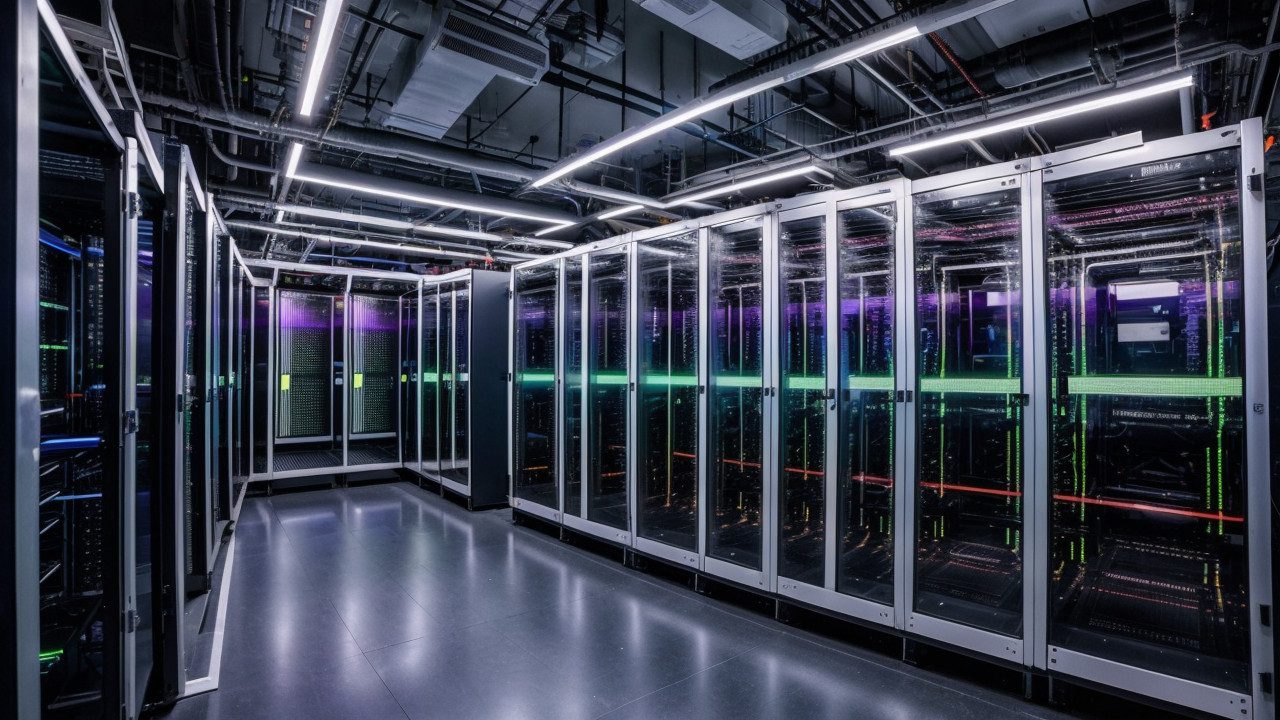

In the rapidly evolving landscape of 2026, automation is no longer a luxury reserved for manufacturing giants or high-frequency trading firms. It has become the very nervous system of modern enterprise. For tech professionals, engineers, and business owners, understanding the nuances of automation technology is no longer about simply replacing manual tasks with machines; it is about architecting a seamless, intelligent ecosystem that can respond to market shifts in real-time.
We are currently witnessing a profound convergence where the boundaries between software-based digital workflows and physical industrial systems are blurring. This shift is driven by the integration of advanced intelligence into every layer of operations. The goal has moved beyond basic task execution toward true autonomous optimization, where systems do not just follow instructions but actively learn from their environments to improve performance.
The Multidimensional Landscape of Automation Technology
To effectively implement automation, one must first recognize that it is not a monolithic concept. It exists in several distinct but overlapping layers, each serving a different purpose within an organization. At its core, automation technology encompasses any method used to perform tasks with minimal human intervention, ranging from simple scripts to complex, self-correcting robotic systems.
The most effective strategies involve a hybrid approach, where digital and physical automations work in tandem. For example, a sensor on a production line (industrial automation) might trigger an automated procurement order in the ERP system (RPA) when stock levels run low. Understanding these layers is essential for identifying where your specific bottlenecks reside and where technology can provide the highest return on investment.
Robotic Process Automation: The Digital Workforce
Robotic Process Automation, or RPA, represents the software-centric side of this revolution. Unlike physical robots, RPA uses software agents to mimic human interactions with digital interfaces. These “bots” are incredibly adept at handling high-volume, repetitive, and rule-based tasks such as data entry, invoice processing, and payroll management. Because these tasks are often prone to human error, delegating them to RPA ensures much higher levels of accuracy and consistency.
In the modern enterprise, mulesoft.com highlights how these automated workflows act as the glue between disparate legacy systems. By automating the movement of data across different platforms, businesses can eliminate silos and ensure that information flows smoothly without the need for manual reconciliation. This is a critical component of any digital transformation journey.
Industrial Automation: Bridging the Physical and Digital
On the other end of the spectrum lies industrial automation, which deals with the physical manipulation of goods and materials. This includes everything from programmable logic controllers (PLCs) in assembly lines to advanced autonomous mobile robots (AMRs) in warehouses. The focus here is on precision, speed, and safety within a physical environment.
The true power of modern industrial automation is realized when these physical systems are connected to the digital cloud. This connectivity allows for real-time monitoring of machine health and production throughput. As noted by automationworld.com, the integration of IoT sensors into industrial hardware is transforming factories into “smart” environments that can detect anomalies long before they lead to costly downtime.
The Intelligence Revolution: AI and Machine Learning in Automation
If RPA and industrial automation provide the “hands” and the “muslin” of modern operations, then Artificial Intelligence (AI) and machine learning (ML) provide the “brain.” We have moved past the era of simple “if-then” logic. Today, machine learning automation allows systems to analyze vast datasets, recognize complex patterns, and make decisions that were previously thought to require human intuition.
The integration of AI in automation is fundamentally changing how we approach problem-solving. Instead of programming a system to follow a fixed path, engineers are now training models to optimize their own paths based on historical performance and real-time environmental inputs. This creates a feedback loop where the system becomes more efficient the more it is used.
From Reactive to Predictive: The Power of ML
One of the most impactful applications of machine learning automation is predictive maintenance. In traditional settings, maintenance is either reactive (fixing things when they break) or preventative (fixing things on a schedule regardless of need). Both are inefficient and costly. Machine learning changes this by analyzing vibration, temperature, and acoustic data to predict exactly when a component is likely to fail.
This level of process optimization prevents the catastrophic “unplanned downtime” that can cost manufacturers millions. By utilizing advanced algorithms, companies can transition to a state of continuous operation, where repairs are scheduled precisely when needed, minimizing disruption to the production cycle and extending the lifespan of expensive machinery.
Autonomous Decision-Making Systems
Beyond maintenance, we are seeing the rise of truly autonomous decision-making systems. In logistics, for example, AI-driven algorithms can dynamically reroute entire fleets of delivery vehicles in response to sudden traffic changes or weather disruptions. In finance, automated systems can execute trades or approve loans by evaluating thousands of variables in milliseconds.
Strategic Implementation: Driving Digital Transformation
Implementing automation is not a “set it and forget it” endeavor. It requires a comprehensive strategy focused on process optimization. Many organizations fail because they attempt to automate broken or inefficient processes, essentially just making mistakes happen faster. A successful digital transformation begins with a deep audit of existing workflows to identify where value can truly be added.
The goal should be to create an integrated ecosystem where automated systems communicate seamlessly. This requires a shift in mindset from viewing automation as a series of isolated tools to seeing it as a unified infrastructure. As explained by spiceworks.com, the true value of automation is unlocked when it is woven into the very fabric of the organization’s operational DNA.
Process Optimization as a Foundation
Before deploying any new technology, businesses must engage in rigorous process optimization. This involves mapping out every step of a workflow, identifying bottlenecks, and eliminating redundant steps. Automation should be the final step in this sequence. If you automate an inefficient process, you simply scale inefficiency.
Effective optimization often involves looking for ways to simplify data structures and standardize inputs. When processes are standardized, they become much easier to automate reliably. This foundational work ensures that the automated systems you eventually deploy are working on a streamlined, high-performance baseline.
Scaling Through Integrated Ecosystems
Once initial automation successes are achieved, the next challenge is scaling. Scaling requires moving from localized “pockets” of automation to enterprise-wide implementation. This means ensuring that your RPA bots, industrial sensors, and AI models all share a common data language and are integrated into a central management platform.
Scaling also involves managing the complexity of interconnected systems. As more automated systems come online, the interdependencies increase. A failure in one part of the automated chain can have cascading effects throughout the entire organization. Therefore, building scalability requires robust monitoring, standardized protocols, and a modular architecture that allows for updates without disrupting the whole.
Navigating the Challenges of Automated Systems
Despite the immense benefits, the path to full automation is fraught with challenges. For engineers and business owners alike, the transition requires careful management of both technical and human elements. We must address not only how these systems work but also how they interact with the people and the security frameworks that surround them.
The complexity of modern automated systems introduces new risks, particularly regarding data integrity and cybersecurity. As more physical assets become connected to the internet, the “attack surface” for malicious actors expands significantly. Protecting an automated enterprise requires a multi-layered security approach that covers everything from the edge devices on the factory floor to the cloud-based AI models.
The Human Element and Workforce Evolution
Perhaps the most significant challenge is the human element. There is often a widespread fear that automation will lead to mass job displacement. While it is true that certain repetitive roles are being phased out, history shows that automation also creates new, higher-value opportunities. The real shift is in the nature of work: moving from manual execution to system oversight, management, and innovation.
For organizations to succeed, they must invest in upskilling their workforce. Employees need to transition from being “doers” of tasks to being “orchestrators” of automated systems. This requires a focus on digital literacy, data analysis skills, and the ability to manage human-machine collaboration. A successful automation strategy is one that empowers people rather than just replacing them.
Cybersecurity in an Interconnected World
As we have seen in academic research regarding industrial control systems, such as those found on mdpi.com, the security of automated networks is paramount. In a world of interconnected sensors and software bots, a single compromised credential can provide an entry point into the heart of production.
Securing these systems requires implementing “Zero Trust” architectures, where every user and device must be continuously verified. Additionally, robust encryption for data in transit and at rest is non-negotiable. As automation technology continues to advance, our ability to defend these intelligent systems must evolve at the same pace, ensuring that efficiency does not come at the cost of vulnerability.
TL;DR
Key Takeaways:
- Automation is Multilayered: It encompasses both digital (RPA) and physical (Industrial Automation) components that must work together.
- AI is the Driver: Machine learning transforms automation from reactive task execution to proactive, predictive optimization.
- Optimize Before Automating: Never automate a broken process; use process optimization to create a streamlined foundation first.
- Focus on Scalability: Moving from local pilots to enterprise-wide implementation requires integrated ecosystems and standardized data.
- Human-Centric Strategy: Success depends on upskilling the workforce to manage new roles and implementing rigorous cybersecurity to protect interconnected assets.