
In the modern era, Information Technology (IT) has transitioned from being a mere back-office support function to becoming the very heartbeat of global commerce. For business professionals, IT managers, and students alike, understanding the intricacies of digital infrastructure is no longer optional—it is a fundamental requirement for navigating the 21-century economy. Whether it is a small startup leveraging cloud computing or a multinational corporation managing massive enterprise computing environments, the underlying technology dictates the speed, scale, and security of operations.
At its core, Information Technology encompasses the use of systems—specifically computers and telecommunications—for storing, retrieving, and sending information. However, in 2026, this definition has expanded far beyond simple data processing. It now includes the orchestration of complex ecosystems involving artificial intelligence, edge computing, and interconnected IoT devices. As we move deeper into an era defined by digital-first strategies, the ability to manage these technologies effectively becomes a primary competitive advantage.
This article will delve into the essential components of IT infrastructure, the transformative power of automation, the critical necessity of cybersecurity, and the strategic importance of data management. By understanding these pillars, professionals can better prepare for the ongoing waves of digital transformation that continue to reshape the global business landscape.
The Foundations of IT Infrastructure
IT infrastructure refers to the composite hardware, software, network resources, and services required for the existence, operation, and management of an enterprise IT environment. Think of it as the digital foundation upon which all business applications are built. Without a robust and scalable infrastructure, even the most innovative software will fail to deliver value due to latency, downtime, or lack of accessibility.
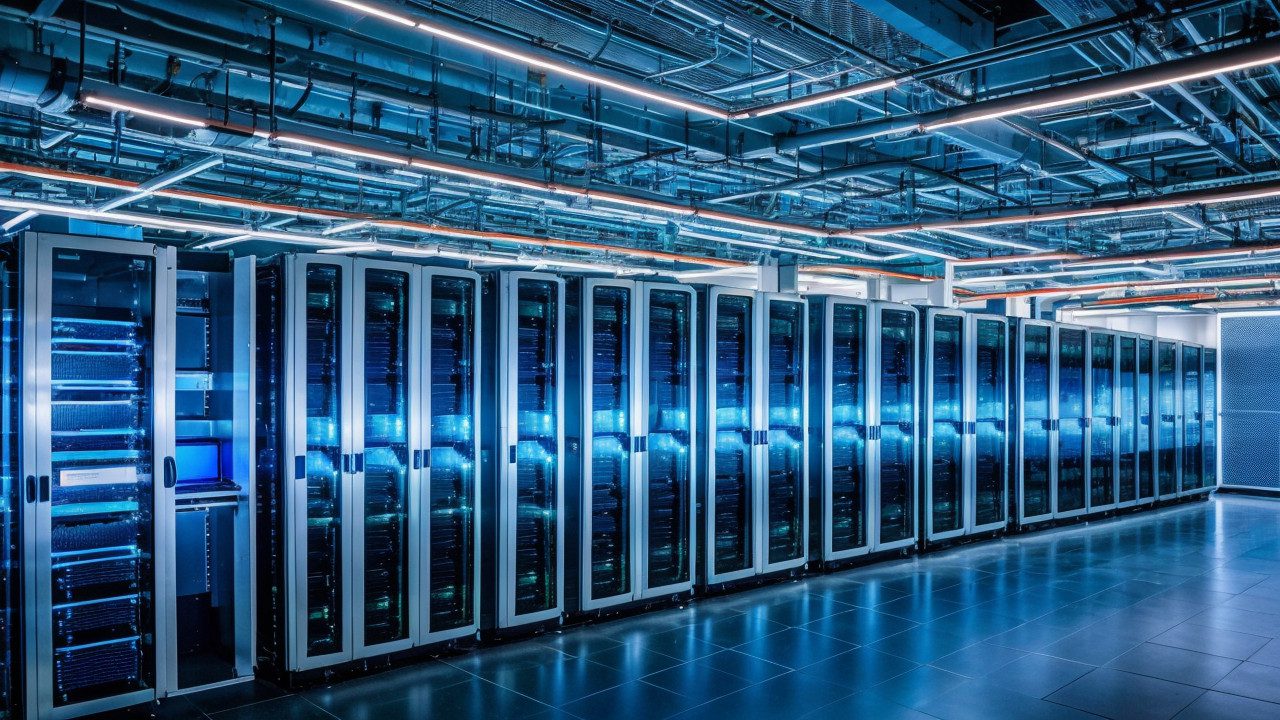
The physical layer of this infrastructure includes servers, data centers, and networking equipment like routers and switches. In recent years, there has been a massive shift from purely on-premises hardware to hybrid and multi-cloud environments. This shift allows businesses to scale resources dynamically, paying only for what they use while maintaining the ability to host sensitive workloads on private, controlled hardware. As noted by techtarget.com, defining IT properly involves understanding how these interconnected components work together to process and distribute data across an organization.
Networking and Connectivity
Connectivity is the glue that holds modern infrastructure together. In a world of remote work and global supply chains, the network must be resilient, high-speed, and secure. This includes not only the local area networks (LANs) within an office but also the wide area networks (WANs) and the software-defined networking (SDN) technologies that allow for programmable, automated traffic management.
As businesses adopt more edge computing solutions—processing data closer to where it is generated—the complexity of the network increases. Managing this complexity requires a deep understanding of how packets move through the internet, how latency impacts real-time applications like video conferencing, and how redundant paths can prevent catastrophic single points of failure.
Software and Enterprise Computing
While hardware provides the muscle, software provides the intelligence. Enterprise computing involves the use of large-scale software systems to manage complex business processes. This includes everything from Enterprise Resource Planning (ERP) systems that track every aspect of a company’s operations to Customer Relationship Management (CRM) platforms that drive sales and marketing efforts.
The integration of these software layers is what enables true digital transformation. When software systems can communicate seamlessly via APIs, the result is an automated, data-driven organization where information flows without manual intervention. However, managing these large-scale software ecosystems requires rigorous version control, patch management, and a clear understanding of how different applications interact within the broader IT ecosystem.
Driving Digital Transformation through Automation
Digital transformation is not simply about adopting new gadgets; it is a fundamental reimagining of how an organization uses technology to change its business model and provide value to customers. At the heart of this transformation lies business automation—the use of technology to execute repetitive, manual tasks with minimal human intervention.
Automation can be applied at various levels, from Robotic Process Automation (RPA) for handling administrative paperwork to complex machine learning algorithms that optimize supply chain logistics in real-time. As explored by rasmussen.edu, the integration of IT into daily business processes is what allows companies to remain agile in a rapidly changing market.
The Benefits of Business Automation
The primary driver for automation is efficiency. By automating routine tasks, businesses can significantly reduce human error and free up their most valuable asset—human intelligence—to focus on strategic, high-value work. This leads to several key benefits:
- Increased Speed: Automated workflows process transactions and data much faster than manual entry.
- Cost Reduction: While the initial investment in automation can be high, the long-term reduction in operational costs is substantial.
- Scalability: Automated systems can handle sudden spikes in workload without the need to immediately hire more staff.
- Improved Accuracy: Removing the human element from repetitive data tasks eliminates common clerical errors.
Challenges in Implementing Automation
Despite the benefits, automation is not a “set it and forget it” solution. It requires careful planning and an understanding of the existing workflows. One major challenge is “automating a broken process.” If a business automates a flawed or inefficient workflow, they simply end up making mistakes faster. Therefore, digital transformation must be preceded by process optimization.
Furthermore, there is the human element to consider. Employees may fear that automation threatens their job security. Successful IT managers lead through this transition by emphasizing how automation augently human capabilities rather than replacing them, focusing on upskilling the workforce to manage and oversee these new automated systems.
The Critical Role of Cybersecurity and Data Management
As businesses become more dependent on digital infrastructure, the surface area for potential attacks grows. This makes cybersecurity and data management two of the most critical pillars of modern Information Technology. In an era of sophisticated ransomware and state-sponsored cyber warfare, protecting the integrity, availability, and confidentiality of data is a top priority for every IT leader.
Cybersecurity involves implementing various layers of protection, including firewalls, encryption, multi-factor authentication (MFA), and continuous monitoring. These tools are designed to defend against everything from simple phishing attempts to complex zero-day exploits. To maintain high standards, many organizations look toward frameworks provided by institutions like nist.gov to ensure their security postures are robust and standardized.
Data Management as a Strategic Asset
If cybersecurity is about protecting data, then data management is about making that data useful. In the age of Big Data, organizations are drowning in information but often starving for insights. Effective data management involves the creation, organization, and maintenance of data to ensure it is accurate, accessible, and secure.
This includes managing databases, implementing data warehousing solutions, and establishing data governance policies. Data governance is particularly important as regulations like GDPR and CCPA require companies to have strict control over how personal information is collected, stored, and used. Proper management ensures that data is not just a byproduct of business operations but a strategic asset that drives informed decision-making.
The Interdependence of Security and Data
It is impossible to discuss security without discussing data. A breach is often not just about losing access to a system; it is about the loss of data integrity or the theft of sensitive intellectual property. Conversely, poor data management practices—such as leaving unencrypted backups in public cloud buckets—can create massive security vulnerabilities.
A holistic approach requires integrating security into the very fabric of data management. This concept, often referred to as “Security by Design,” ensures that every new piece of infrastructure or software is built with protective measures already in place. As noted by comptia.org, the evolving nature of IT means that professionals must constantly update their skills to keep pace with both new technologies and new threats.
TL;DR
To summarize, Information Technology is the backbone of modern business, encompassing much more than just computers. Key takeaways include:
- IT Infrastructure: The essential foundation of hardware, software, and networks that enables all digital operations.
- Digital Transformation: The strategic use of technology and Business Automation to drive efficiency, scalability, and competitive advantage.
- Cybersecurity: A non-negotiable requirement to protect the organization’s digital assets from increasingly complex global threats.
- Data Management: The process of organizing and governing information to turn raw data into actionable business intelligence.
For professionals in the field, staying ahead requires a continuous commitment to learning and an ability to integrate these disparate technological pillars into a unified, resilient, and innovative enterprise strategy.