


The landscape of digital defense has undergone a seismic shift. As we move through 2026, the traditional perimeter-based security models that once protected enterprise networks are increasingly obsolete. For IT professionals, cybersecurity analysts, and system administrators, the challenge is no longer just about keeping the “bad actors” out; it is about maintaining visibility and control within an environment that is constantly being probed by highly automated, intelligent adversaries.
We are currently witnessing an era of automated warfare in cyberspace. The sheer volume of telemetry data generated by modern cloud environments, edge computing, and IoT devices has made manual monitoring an impossible task. To survive this onslaught, security teams must transition from a reactive posture—responding to alerts after the damage is done—to a proactive, predictive model that identifies weaknesses before they can be weaponized. This requires a deep integration of advanced tools, robust processes, and a fundamental shift in how we perceive network trust.
In this article, we will explore the multifaceted nature of modern cybersecurity threats, the critical importance of sophisticated vulnerability management, and how emerging technologies like CyberSentinel AI are redefining the boundaries of threat intelligence and incident response. Our goal is to provide actionable insights that help you fortify your infrastructure against the next generation of cyber attack prevention strategies.
The Evolving Landscape of Cybersecurity Threats
In 2026, cybersecurity threats have evolved far beyond simple phishing emails or generic ransomware. We are now facing an era of polymorphic malware and AI-generated social engineering. Attackers are utilizing Large Language Models (LLMs) to craft highly personalized, context-aware messages that can bypass even the most rigorous email security gateways. These attacks often mimic the tone and style of legitimate internal communications, making them incredibly difficult for employees—and even some automated systems—to detect.
<
- Polymorphic Malware: Modern malware can now alter its own code signature in real-time to evade traditional signature-based detection methods, necessitating a heavy reliance on behavioral analysis.
- AI-Driven Social Engineering: Deepfake audio and video are being used in sophisticated “Business Email Compromise” (BEC) 2.0 attacks to authorize fraudulent transactions or leak sensitive credentials.
- Automated Reconnaissance: Botnets now use advanced scanning techniques to identify misconfigured cloud buckets and unpatched services within minutes of their deployment.
Furthermore, the complexity of global supply chains has introduced new vectors for attack. A single vulnerability in a widely used third-party library or a breach at a managed service provider (MSP) can ripple through thousands of organizations simultaneously. Staying informed via reputable sources like thehackernews.com is essential for tracking these emerging zero-day exploits and understanding the broader impact of supply chain compromises.
The Rise of Automated Attack Chains
One of the most significant shifts we have observed is the move toward automated attack chains. In the past, a hacker might manually probe a network, escalate privileges, and then exfiltrate data over several days. Today, orchestrated frameworks can execute these steps in seconds. Once an initial foothold is established through a vulnerability, an automated script can immediately begin lateral movement, credential harvesting, and data encryption.
This speed of execution leaves very little room for human intervention. This is why malware protection must now include active, real-time endpoint detection and response (EDR). If your security stack cannot detect the anomaly at the moment of execution, the window for effective incident response may have already closed. The focus must shift from identifying known bad files to identifying suspicious behavioral patterns within the network.
Strengthening Defenses through Proactive Vulnerability Management
Vulnerability management is no longer a monthly patching cycle; it is a continuous, high-stakes race against time. As organizations adopt more complex, hybrid-cloud architectures, the attack surface expands exponentially. Every new microservice, every API endpoint, and every container instance represents a potential entry point for an attacker. To manage this, IT professionals must move toward a risk-based approach to vulnerability management.
A risk-based strategy involves more than just scanning for vulnerabilities; it requires prioritizing them based on their actual exploitability and the importance of the affected asset. Not every “Critical” CVSS score represents an immediate threat to your specific environment. For instance, a critical vulnerability in a sandbox environment may be less urgent than a medium-severity flaw in a customer-facing database containing PII (Personally Identiously Information). Following official advisories from cisa.gov is vital for understanding which vulnerabilities are being actively exploited in the wild.
Implementing Continuous Monitoring and Patching
The concept of “patch Tuesdays” is dead. In a world where zero-day exploits are often leveraged within hours of discovery, organizations must implement continuous monitoring and automated patching workflows. This involves integrating your vulnerability scanners directly with your configuration management tools to ensure that as soon as a patch is validated, it is deployed across the fleet.
However, automation must be balanced with stability. A poorly tested patch can cause more downtime than an actual cyber attack. Therefore, a robust pipeline—incorporating automated testing in a staging environment before production deployment—is critical. This allows for rapid response without compromising the availability of essential services. The goal is to reduce the “Mean Time to Remediation” (MTTR) as much as possible.
Managing Technical Debt and Legacy Systems
One of the greatest hurdles in modern vulnerability management is technical debt. Many organizations still rely on legacy systems that cannot be easily patched or are no longer supported by vendors. These systems often act as the “weakest link” in the security chain. To mitigate this, system administrators must implement compensating controls, such as network segmentation and strict access control lists (ACLs), to isolate these high-risk assets from the rest of the production environment.
Leveraging Threat Intelligence and CyberSentinel AI
The sheer volume of security telemetry is overwhelming for even the most experienced analysts. This is where threat intelligence becomes a game-changer. Rather than looking at every single alert, security teams need to focus on the signals that actually matter. Effective threat intelligence provides context: it tells you who is attacking, what their motivations are, and what techniques they are likely to use next.
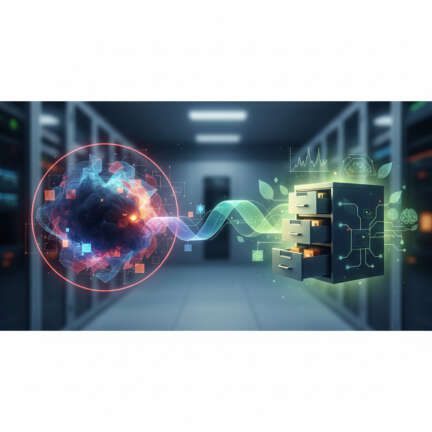
The integration of artificial intelligence into this process is perhaps the most significant advancement in recent years. Tools like CyberSentinel AI are revolutionizing how we process large datasets. By utilizing machine learning algorithms, CyberSentinel AI can sift through millions of logs to identify subtle indicators of compromise (IoCs) that would be invisible to human analysts. This capability transforms threat intelligence from a static repository of information into a dynamic, predictive engine.
Transforming Raw Data into Actionable Intelligence
The challenge with most security tools is the “noise” they generate. False positives can lead to alert fatigue, causing analysts to miss genuine threats. As noted by cybersecuritynews.com, the ability to filter and prioritize information is now as important as the ability to collect it. CyberSentinel AI achieves this by correlating disparate data points—such as a suspicious login from an unusual geography combined with an unexpected outbound connection to a known malicious IP—to present a single, high-fidelity alert.
This level of correlation allows for much more efficient resource allocation. Instead of investigating 100 low-level alerts, an analyst can focus on the three high-confidence incidents that represent true risks. This not only improves the speed of response but also enhances the overall accuracy of the security posture, making it a cornerstone of modern cyber attack prevention.
The Role of Automated Response Systems
Beyond detection, the next frontier is automated response. When CyberSentinel AI identifies a high-confidence threat, it can trigger pre-defined playbooks to mitigate the impact immediately. For example, if an endpoint shows signs of ransomware activity, the system can automatically isolate that host from the network and revoke its access credentials before the encryption process can spread across the domain.
Building Resilient Incident Response and Network Security Frameworks
Despite our best efforts at prevention, we must operate under the “Assume Breach” mentality. No matter how much you invest in malware protection or vulnerability management, a sophisticated adversary may eventually find a way in. Therefore, the true measure of a cybersecurity program is not just its ability to prevent attacks, but its ability to respond to and recover from them effectively.
A resilient incident response (IR) plan must be more than a static document sitting on a shared drive; it must be a living, tested framework. This includes having clearly defined roles and responsaries, established communication channels, and pre-vetted third-party forensics partners. We see the real-world consequences of poor IR in major global breaches reported by reuters.com, where delayed responses often led to massive data exfiltration and significant financial losses.
Incident Response: Beyond the Initial Breach
Effective incident response involves several critical phases: preparation, detection, containment, eradication, recovery, and lessons learned. While many teams focus heavily on containment, the “lessons learned” phase is often neglected. This post-incident analysis is where the most significant growth occurs. By conducting a thorough root cause analysis (R/CA), organizations can identify the specific failures in their security controls and update their defenses to prevent recurrence.
Furthermore, regular tabletop exercises are non-negotiable. These simulations involve stakeholders from IT, legal, PR, and executive leadership, forcing them to walk through a hypothetical breach scenario. This ensures that when a real crisis occurs, the organization can act with precision and calm, rather than in a state of chaos.
Hardening Network Perimeters and Identity Access
Finally, we must revisit the fundamentals of network security. In a world of remote work and cloud-native applications, the traditional “castle and moat” approach is dead. The new perimeter is identity. Implementing Zero Trust Architecture (ZTA) is the most effective way to harden your environment. Under a Zero Trust model, no user or device is trusted by default, regardless of whether they are inside or outside the corporate network.
This requires strict adherence to the principle of least privilege (PoLP). Users should only have access to the specific resources required for their roles, and all access requests must be continuously verified. By combining robust identity management with micro-segmentation—the practice of dividing a network into smaller, isolated segments—you can ensure that even if one part of your network is compromised, the attacker’s ability to move laterally is severely restricted.
TL;DR
To navigate the complex cybersecurity landscape of 2026, IT professionals must move beyond reactive security. Key takeaways include:
- Embrace AI-Driven Defense: Use tools like CyberSentinel AI to transform overwhelming telemetry into actionable threat intelligence and automate initial containment steps.
- Prioritize Risk-Based Vulnerability Management: Focus on patching high-exploitability vulnerabilities first, following advisories from CISA to reduce your window of exposure.
- Adopt a Zero Trust Mindset: Treat identity as the new perimeter. Implement micro-segmentation and strict access controls to limit lateral movement during an incident.
- Prepare for the Inevitable: Shift from “prevention only” to a focus on resilience. Maintain a tested, documented incident response plan and conduct regular tabletop exercises to ensure rapid recovery.





Leave a Comment