
Introduction
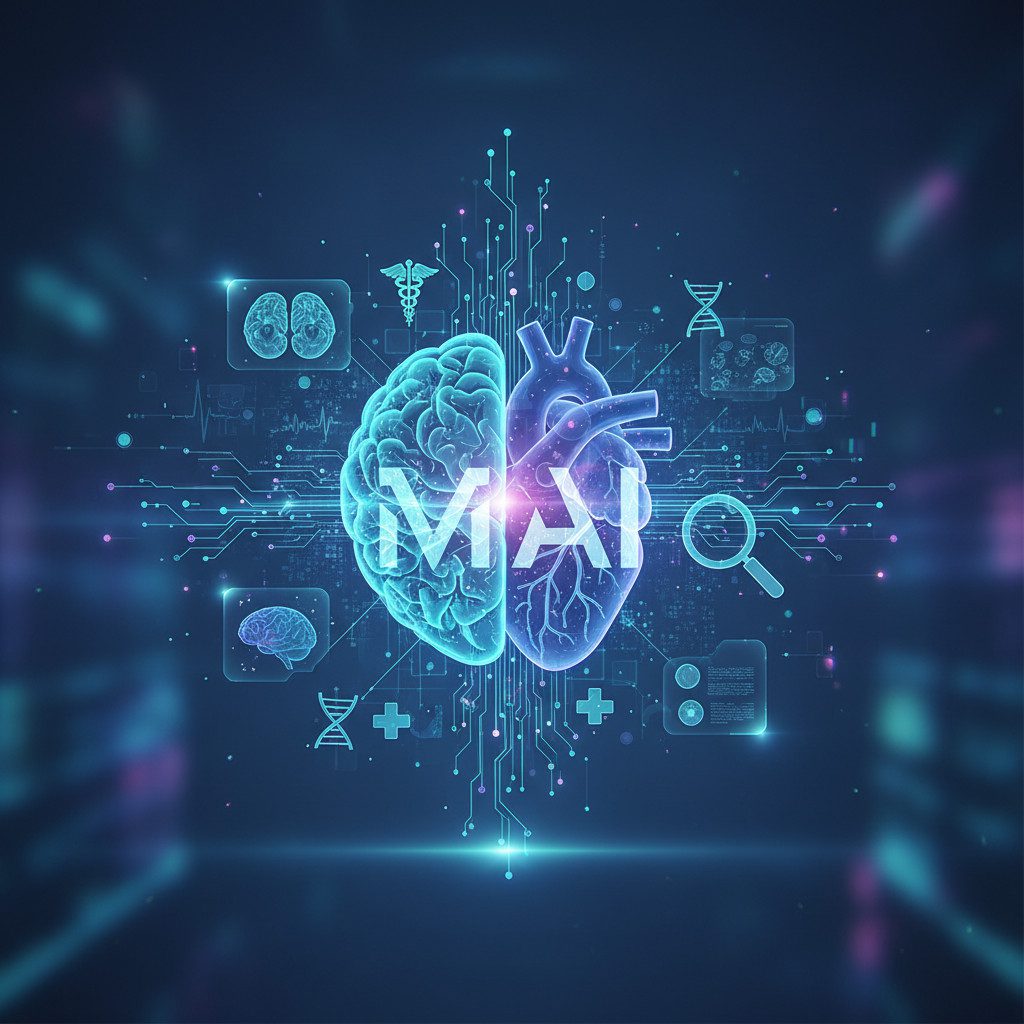
Multimodal artificial intelligence (AI) represents a significant leap in the integration of various data types to enhance diagnostic accuracy and treatment outcomes in healthcare. By leveraging multimodal transformer models, AI systems can analyze complex medical data, such as images, text, and structured information, providing healthcare professionals with comprehensive insights. This technology not only improves patient care but also accelerates research and development in the industry.
In recent years, advancements in AI have led to breakthroughs in diagnosing and treating various diseases. For instance, multimodal AI can analyze medical images alongside patient records to identify subtle patterns that might be missed by human practitioners alone. This capability is particularly valuable in fields such as radiology and pathology, where accurate diagnosis is crucial for effective treatment.
The adoption of multimodal AI in healthcare is driven by its ability to process large volumes of data efficiently, offering real-time analytics and predictive insights. As a result, healthcare providers can make more informed decisions, leading to better patient outcomes. This article explores the current state of multimodal AI in healthcare, its applications, challenges, and future prospects.
The Evolution of Multimodal AI
Multimodal AI combines different types of data inputs—such as images, text, and structured data—to create a more comprehensive understanding of medical conditions. This approach is particularly useful in complex healthcare scenarios where multiple factors influence patient outcomes. The evolution of multimodal AI has been marked by significant advancements in machine learning algorithms, particularly transformer models, which can efficiently process and integrate diverse data sources.
Transformer Models in Healthcare
Transformer models, a type of neural network architecture, have become the backbone of many AI applications in healthcare. These models excel at handling sequential data and are highly effective in tasks such as natural language processing (NLP) and image recognition. In healthcare, transformer models can be adapted to analyze medical records, radiology images, and other types of clinical data, providing insights that enhance diagnostic accuracy.
Challenges and Limitations
Despite its potential, the implementation of multimodal AI in healthcare faces several challenges. One major issue is the need for large amounts of high-quality, annotated data to train effective models. Additionally, there are concerns about data privacy and security, as sensitive patient information must be handled carefully to comply with regulations such as HIPAA.
Applications of Multimodal AI in Healthcare
Multimodal AI has a wide range of applications across different areas of healthcare, from diagnosis and treatment to research and policy-making. Here are some key applications:
- Medical Diagnosis: Multimodal AI can analyze medical images, patient records, and other data sources to assist in the diagnosis of various conditions.
- Patient Monitoring: Real-time monitoring of patients using wearable devices and sensors can be enhanced with multimodal AI, which can detect anomalies and predict potential health issues.
- Research and Development: Multimodal AI accelerates medical research by enabling the analysis of large datasets, identifying trends, and suggesting new treatment approaches.
The Impact on Healthcare Professionals
The integration of multimodal AI in healthcare has a profound impact on professionals, transforming how they diagnose, treat, and interact with patients. For instance, AI-driven diagnostic tools can provide doctors with more accurate information, allowing them to make informed decisions more quickly.
Enhanced Diagnostic Accuracy
One of the most significant benefits of multimodal AI is its ability to enhance diagnostic accuracy. By integrating various data sources, AI systems can identify subtle patterns and correlations that might be missed by human practitioners alone. This leads to earlier detection of diseases and more effective treatment outcomes.
Time Efficiency
Multimodal AI also offers significant time savings for healthcare professionals. Automated analysis of medical records and images reduces the workload on doctors, allowing them to focus more on patient care and consultation. This efficiency improvement is particularly valuable in busy clinical environments where time is a critical resource.
Future Prospects and Trends
The future of multimodal AI in healthcare looks promising, with ongoing advancements in technology and increased adoption across the industry. Several trends are likely to shape the development and implementation of AI in healthcare:
- Increased Data Integration: As more data sources become available, there will be a greater emphasis on integrating diverse datasets to improve AI performance.
- Improved Explainability: There is growing demand for transparent and explainable AI systems, particularly in healthcare where trust between patients and providers is crucial.
- Widespread Adoption: As the benefits of multimodal AI become more apparent, its adoption is expected to increase across different sectors of healthcare, from hospitals to research institutions.
Conclusion
Multimodal AI represents a transformative force in healthcare, offering new possibilities for diagnosing and treating diseases with unprecedented accuracy. By integrating various data types through advanced transformer models, AI systems can provide valuable insights that enhance patient care and accelerate medical research. While challenges such as data privacy and model explainability remain, the potential benefits of multimodal AI make it a promising area for future development in the healthcare industry.
As technology continues to evolve, the role of multimodal AI in healthcare is likely to expand, further improving diagnostic accuracy, treatment outcomes, and patient experiences. By staying informed about these developments, healthcare professionals and researchers can better leverage AI to drive innovation and improve patient care.