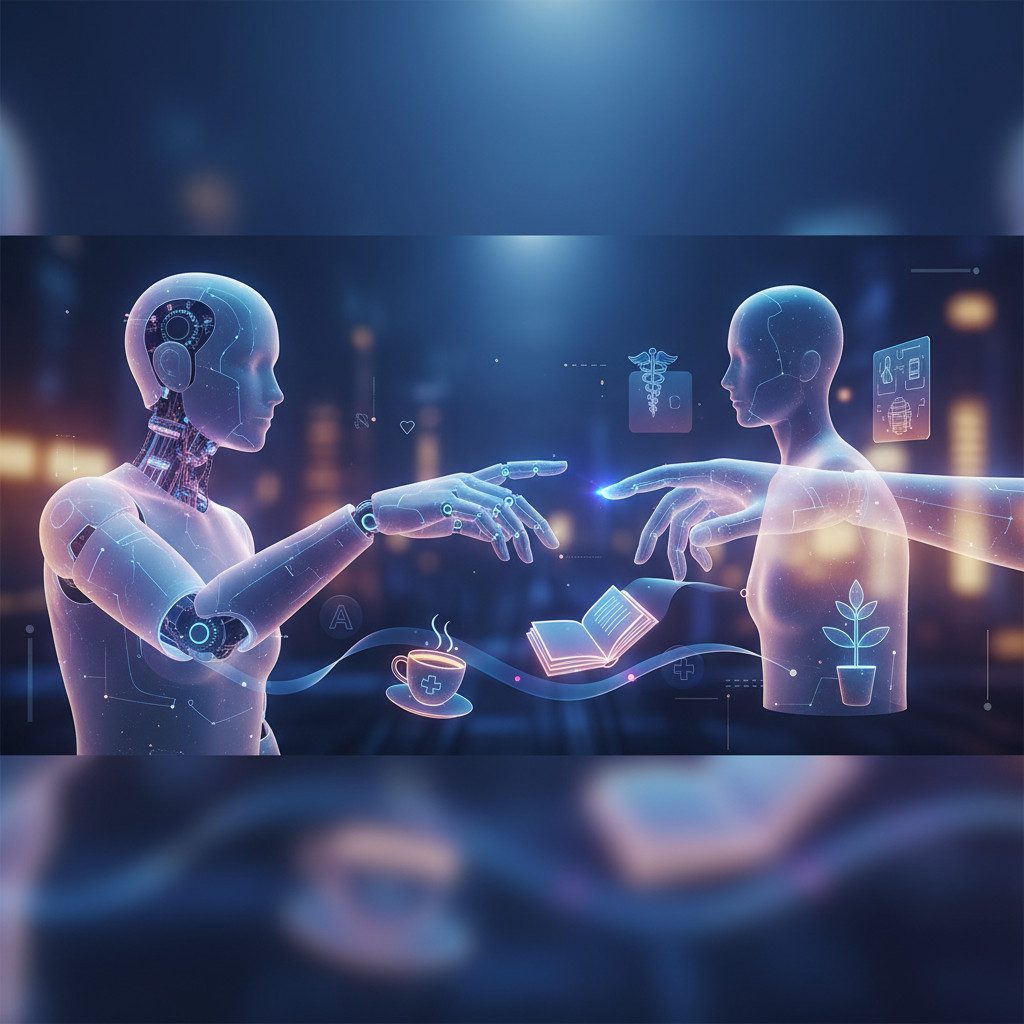

The rapid advancement of artificial intelligence (AI) has brought about a new era where machines can interact with the world in increasingly human-like ways. One of the most exciting developments is the integration of AI into robotics technology, leading to the creation of intelligent robots that are seamlessly integrated into our daily lives. These AI-powered robots are not just science fiction anymore; they are becoming an integral part of modern living.
From enhancing convenience and safety in homes to providing rehabilitation support for those recovering from injuries, these technological marvels are poised to transform how we live, work, and interact with the world around us. As AI continues to evolve, so too does our understanding of its potential benefits and limitations. In this article, we will explore various applications of AI-powered robots in daily life and delve into the transformative impact they have on society.
Introduction
The advent of AI-powered robots has ushered in a new wave of technological innovation that promises to revolutionize our everyday experiences. These sophisticated machines are designed not only to perform specific tasks but also to adapt and learn from their interactions with the environment, making them invaluable assets in various sectors including healthcare, manufacturing, and personal assistance.
One area where AI-powered robots have made significant strides is in providing seamless integration into daily life. From automated vacuum cleaners that clean our floors without human intervention to robotic companions that offer emotional support to elderly individuals, these machines are becoming more commonplace and accessible than ever before. The ability of AI to process vast amounts of data quickly and accurately enables these robots to operate with unprecedented efficiency.
Moreover, the development of AI-powered robots has addressed some longstanding challenges in healthcare delivery. By leveraging advanced algorithms and machine learning techniques, these devices can provide targeted rehabilitation support for patients recovering from injuries or undergoing physical therapy. This not only accelerates recovery times but also enhances patient outcomes by offering personalized care tailored to individual needs.
Main Section 1: Benefits of AI-Powered Robots
Subsection 1.1: Therapeutic Robotics
Therapeutic robotics represents one of the most promising applications of AI-powered robots in daily life, particularly for seniors and individuals with physical challenges. Socially assistive robots designed to provide emotional support have gained significant traction over recent years due to their ability to engage users in meaningful interactions while simultaneously promoting mental well-being.
These robots are equipped with sophisticated sensors and natural language processing capabilities that allow them to detect changes in mood or behavior patterns, thereby enabling proactive interventions. For instance, they might encourage a senior citizen to take medication on time or remind them of upcoming doctor’s appointments, all while fostering social connections that help combat feelings of isolation.
Furthermore, these robots often integrate gamification elements into their design, making therapeutic activities more engaging and enjoyable for users. By turning routine tasks into fun challenges, they motivate individuals to participate actively in maintaining their health and well-being. Studies have shown that such interactions can lead to improved cognitive function, reduced anxiety levels, and enhanced overall quality of life.
Main Section 2: Rehabilitation Support with Robotics
Another critical application of AI-powered robots lies in the realm of rehabilitation support. With advancements in robotics technology, these devices are now capable of providing targeted assistance to individuals recovering from injuries or undergoing physical therapy. One notable example is the use of robotic exoskeletons which can be programmed to assist with limb movements during rehabilitation sessions.
These exoskeletons work by augmenting the strength and range of motion in affected limbs, thereby facilitating more effective exercise routines. They are often equipped with sensors that track muscle activity and movement patterns, allowing therapists to monitor progress closely and adjust treatment plans accordingly. This real-time feedback loop helps ensure that rehabilitation efforts remain personalized and optimized for each patient.
Moreover, the use of AI-powered robots in rehabilitation settings extends beyond mere physical assistance. These devices can also collect vast amounts of data during therapy sessions, which can then be analyzed to identify trends and potential areas for improvement. By leveraging machine learning algorithms, healthcare providers can gain valuable insights into patient recovery trajectories, enabling them to develop more effective intervention strategies.
Conclusion
The integration of AI-powered robots into daily life represents a significant leap forward in technological innovation with far-reaching implications for various sectors including healthcare and personal assistance. From enhancing convenience and safety through automated tasks to providing targeted rehabilitation support for injured individuals, these machines are transforming how we interact with our environment.
While there is still much work to be done in terms of refining existing technologies and exploring new applications, the potential benefits offered by AI-powered robots are undeniable. As society continues to embrace this emerging technology, it is likely that we will witness even more profound changes in the way we live and care for one another.
TL;DR:
AI-powered robots are revolutionizing daily life through enhanced convenience, safety, and rehabilitation support. These machines offer personalized assistance and emotional support to seniors and individuals with physical challenges while accelerating recovery times for those undergoing therapy.