
In the modern era, it is nearly impossible to find a corner of our lives that hasn’t been touched by the invisible hand of technology. From the moment you wake up to a smartphone alarm to the complex global logistics that ensure your morning coffee arrives at your doorstep, Information Technology (IT) is the silent engine driving the world forward. It is no longer just a department in a large corporation; it is the very fabric of modern civilization.
For students entering the workforce, professionals looking to pivot, or business owners trying to navigate a digital-first economy, understanding the layers of IT is crucial. It is easy to get lost in the jargon—terms like cloud computing, edge processing, and digital transformation are tossed around constantly. However, beneath the buzzwords lies a structured ecosystem of hardware, software, and networks working in concert to manage the world’s most valuable resource: information.
This article aims to demystify the complex world of Information Technology. We will peel back the layers of IT infrastructure, explore how data processing fuels decision-making, and examine how software development and computer networks form the backbone of our global digital economy. Whether you are looking to build a career in tech or simply want to understand the systems that power your business, this guide provides the foundational knowledge you need.
Defining Information Technology: More Than Just Computers
At its most fundamental level, Information Technology refers to the use of systems—specifically computers and telecommunications—for storing, retrieving, and sending information. While many people equate IT with “fixing computers,” the field is far broader. It encompasses the entire lifecycle of data, from the moment it is captured by a sensor to the moment it is analyzed to predict a market trend. As noted by techtarget.com, IT involves the application of technology to solve business problems and manage information efficiently.
The scope of IT covers everything from the physical hardware you can touch to the abstract algorithms that run in the cloud. It is a multidisciplinary field that blends engineering, logic, and creative problem-solving. To understand IT, one must look at how these various components interact to create a functional, reliable, and scalable system of information management.
The Core Components of IT
Every IT system is built upon three primary pillars: hardware, software, and people. Hardware includes the physical devices such as servers, workstations, routers, and mobile devices. Software consists of the operating systems and applications that tell the hardware what to do. Without the synergy between these two, the technology would be useless. However, the “people” element—the users and administrators—is what provides the purpose and direction for these tools.
Beyond these, we must consider the protocols and standards that allow different systems to communicate. This includes the rules for data transmission, security protocols, and the structured frameworks that ensure information remains accurate and accessible. When these elements work together, they create a cohesive environment capable of handling massive amounts of complex data.
The Critical Role of Data Processing
Data is often called the “new oil,” but raw data, much like crude oil, is not particularly useful until it has been refined. Data processing is the heart of Information Technology. It is the process of converting raw, unstructured data into meaningful, actionable information. This involves collection, manipulation, sorting, and analysis.
In a modern business context, data processing allows for real-time insights. For example, a retail chain can process millions of transactions simultaneously to adjust inventory levels instantly. This ability to transform noise into signal is what allows organizations to remain competitive in an increasingly fast-paced global market.
The Pillars of IT Infrastructure
If software is the brain of a digital system, then IT infrastructure is the nervous system and the skeleton. Infrastructure refers to the shared components required for the existence, operation, and management of an enterprise IT environment. It is the foundation upon which all digital services are built. Without a robust infrastructure, even the most advanced software would fail to deliver value.
A well-designed infrastructure is characterized by its resilience, scalability, and security. As organizations grow, their infrastructure must be able to expand to meet increasing demands without requiring a complete overhaul. This is where the concept of modern, flexible architecture becomes vital for long-term success.
Computer Networks and Connectivity
Computer networks are the highways of the digital age. They consist of the interconnected devices and the communication protocols that allow them to exchange data. From local area networks (LANs) in a small office to the vast, global expanse of the Internet, networks enable the seamless flow of information across the globe. According to cisco.com, networking is the cornerstone of IT, providing the connectivity required for all other IT services to function.
In recent years, the rise of the Internet of Things (IoT) has drastically increased the complexity of these networks. We are no longer just connecting computers and phones; we are connecting refrigerators, cars, industrial sensors, and even city infrastructure. Managing this massive web of connectivity requires sophisticated networking technologies, such as software-defined networking (SDN), to ensure that data reaches its destination securely and efficiently.
Data Centers and the Shift to Cloud Computing
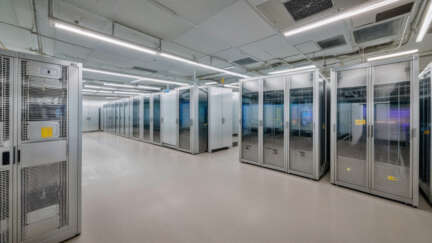
Historically, companies maintained their own massive, on-premise data centers—physical buildings filled with rows of servers, cooling systems, and power supplies. While this offered total control, it was incredibly expensive and difficult to scale. The advent of cloud computing changed this paradigm by allowing businesses to rent computing power, storage, and applications from providers like Amazon Web Services (AWS), Microsoft Azure, or Google Cloud.
Cloud computing has democratized access to high-end IT resources. A small startup now has access to the same computing power as a Fortune 500 company. This shift has enabled a new era of agility, where companies can deploy global-scale applications in minutes rather than months. However, it also introduces new challenges in terms of data sovereignty, security, and the management of distributed IT systems.
Driving Digital Transformation in Modern Business
Digital transformation is not merely about adopting new software; it is a fundamental reimagining of how an organization operates and delivers value to its customers. It is the integration of digital technology into all areas of a business, resulting in fundamental changes in how businesses operate and how they deliver value to customers. As wikipedia.org explains, this process is often driven by the need to stay relevant in a rapidly changing technological landscape.
For many organizations, digital transformation is a survival mechanism. Companies that fail to adapt to the digital era—by ignoring the potential of data analytics, failing to automate manual processes, or neglecting the customer’s digital experience—risk being left behind by more agile, tech-driven competitors.
Automating Workflows and Increasing Efficiency
One of the most immediate benefits of digital transformation is the automation of repetitive, manual tasks. By implementing Robotic Process Automation (RPA) and intelligent workflows, businesses can reduce human error and free up their employees to focus on higher-value, creative work. This doesn’t just save time; it fundamentally changes the nature of the workforce.
Automation also allows for much higher levels of precision and scalability. In manufacturing, for instance, automated IT systems can monitor production lines in real-ability, identifying defects long before a human inspector could. This level of operational excellence is only possible when IT systems are deeply integrated into the core business processes.
Information Management and Strategic Decision Making
In the age of big data, the challenge is no longer just about collecting information, but about managing it. Information management involves the processes, technologies, and practices used to ensure that data is accurate, available, and secure. Effective information management ensures that the right people have the right information at the right time.
When information is managed effectively, it becomes a strategic asset. Business leaders can use data-driven insights to identify new market opportunities, understand customer behavior, and optimize supply chains. This transition from “gut-feeling” decision-making to “data-driven” decision-making is a hallmark of a successful digital transformation strategy.
The Software Development Lifecycle and Innovation
Software development is the engine of innovation within the IT sector. Every application, every web service, and every piece of enterprise software began as a set of requirements and a series of lines of code. The process of creating, testing, and deploying software is a highly structured discipline known as the Software Development Lifecycle (SDLC).
Modern software development has moved away from slow, monolithic release cycles toward more agile, iterative approaches. This allows developers to respond much faster to user feedback and changing market conditions. The ability to continuously update and improve software is what keeps the digital ecosystem in a state of constant evolution.
Creating the Tools of Tomorrow
Software development is not just about writing code; it is about solving problems. Developers use a variety of programming languages, frameworks, and methodologies to build everything from simple mobile apps to complex, distributed systems. The rise of DevOps—a set of practices that combines software development and IT operations—has further bridged the gap between creating software and running it reliably in production.
As we move further into the 2020s, the complexity of software is increasing. We are seeing the rise of microservices architectures, where large applications are broken down into smaller, more manageable pieces that can be developed and deployed independently. This modularity is essential for maintaining the agility required in today’s fast-paced digital economy.
Integrating AI and Emerging Technologies
The next frontier of software development lies in the integration of Artificial Intelligence (AI) and Machine Learning (ML). We are moving from software that simply follows instructions to software that can learn, adapt, and even predict. This integration is transforming everything from cybersecurity (where AI can detect anomalies in real-time) to customer service (through advanced natural language processing).
Beyond AI, other emerging technologies like blockchain, quantum computing, and augmented reality are poised to redefine the boundaries of what is possible. While these technologies are still in various stages of maturity, their integration into the broader IT landscape will create new opportunities and challenges for developers and businesses alike.
Challenges in the Modern IT Landscape
Despite the immense benefits, the rapid advancement of technology brings significant challenges. The more interconnected and data-dependent our world becomes, the more vulnerable it becomes to disruptions. Managing the complexity of modern IT systems requires a proactive approach to risk management and a deep understanding of the evolving threat landscape.
Organizations must balance the need for accessibility and speed with the absolute necessity of security and stability. This tension is at the heart of many modern IT struggles, from managing technical debt to defending against increasingly sophisticated cyberattacks.
Cybersecurity and Data Privacy
Cybersecurity is perhaps the most pressing challenge in the IT industry. As more of our critical infrastructure, financial systems, and personal data move online, the surface area for attacks grows exponentially. Cyber threats are no longer just about simple viruses; they include ransomware, state-sponsored espionage, and complex social engineering attacks.
Furthermore, the rise of strict data privacy regulations, such as GDPR and CCPA, has added a layer of legal complexity to IT management. Organizations are now legally responsible for protecting the personal data they collect. This requires not only robust technical defenses but also rigorous data governance policies and a culture of privacy-by-design.
Managing Complexity and Technical Debt
As companies adopt more tools, more cloud services, and more automated processes, they often accumulate what is known as “technical debt.” This refers to the implied cost of additional rework caused by choosing an easy, quick solution now instead of using a better approach that would take longer. Over time, this debt can accumulate, making the IT infrastructure brittle, difficult to update, and expensive to maintain.
Managing complexity also involves the challenge of interoperability—ensuring that new technologies can work seamlessly with legacy systems. As organizations undergo digital transformation, they must find ways to modernize their core systems without disrupting the essential services that their business relies upon. This requires careful planning, strategic investment, and a clear vision for the future of their IT landscape.
TL;DR
Information Technology is the foundational pillar of the modern world, encompassing everything from hardware and software to complex networks and data processing. For businesses, IT is the key driver of digital transformation, enabling automation, improved decision-making, and enhanced customer value. However, the rapid evolution of technology also brings significant challenges, including the need for robust cybersecurity, the management of complex infrastructures, and the mitigation of technical debt. To succeed in the digital age, professionals and business owners must embrace a continuous learning mindset, viewing IT not just as a support function, but as a strategic engine for innovation and growth.