
Automation has come a long way since its inception, evolving from simple mechanical systems to sophisticated AI-driven technologies. In 2026, the landscape of automation is more dynamic than ever, offering unprecedented opportunities for engineers, technicians, and industry professionals. This article delves into the current trends, technologies, and applications of automation, providing a comprehensive overview for those seeking to stay ahead in this rapidly evolving field.
The International Society of Automation (ISA) defines automation as the use of control systems and information technologies to reduce human intervention in processes. Automation is not just about efficiency; it’s about precision, reliability, and innovation. From manufacturing to healthcare, automation is transforming industries, making processes faster, safer, and more efficient. As we move forward, understanding the nuances of automation becomes crucial for professionals aiming to leverage these technologies effectively.
Understanding Automation
Automation encompasses a wide range of technologies and applications designed to perform tasks with minimal human intervention. At its core, automation involves the use of control systems, sensors, and software to monitor and manage processes. The goal is to enhance productivity, reduce errors, and improve safety. Automation can be categorized into different levels, from simple mechanical systems to complex AI-driven solutions.
The ISA emphasizes that automation is not just about replacing human labor but about augmenting human capabilities. By integrating automation into various industries, businesses can achieve higher levels of efficiency and consistency. For instance, in manufacturing, automation can streamline production lines, reduce downtime, and ensure consistent product quality. In healthcare, automation can improve diagnostic accuracy and treatment outcomes.
The Role of Artificial Intelligence and Machine Learning
Artificial Intelligence (AI) and Machine Learning (ML) are at the forefront of modern automation. These technologies enable systems to learn from data, adapt to new inputs, and make decisions with minimal human intervention. AI and ML are transforming automation by providing predictive analytics, real-time monitoring, and adaptive control systems. For example, AI-driven predictive maintenance can anticipate equipment failures before they occur, reducing downtime and maintenance costs.
According to automation.com, AI and ML are being integrated into various automation solutions, including robotics, industrial control systems, and data analytics platforms. These technologies enable automation systems to become more intelligent and responsive, capable of handling complex tasks and adapting to changing environments. As AI and ML continue to evolve, their impact on automation will only grow, opening up new possibilities for innovation and efficiency.
Industrial Automation: Trends and Applications
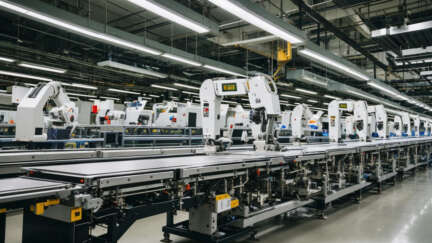
Industrial automation is a critical component of modern manufacturing and production processes. It involves the use of control systems, robotics, and software to automate industrial tasks. Industrial automation aims to improve efficiency, reduce costs, and enhance product quality. In 2026, industrial automation is being driven by advancements in AI, IoT, and data analytics, enabling smarter and more connected manufacturing environments.
One of the key trends in industrial automation is the integration of the Industrial Internet of Things (IIoT). IIoT enables real-time data collection and analysis, allowing businesses to monitor and control industrial processes more effectively. For example, the ControlLogix platform by Rockwell Automation is a popular choice for industrial automation, offering advanced control and monitoring capabilities. The ControlLogix system integrates seamlessly with various sensors and devices, providing real-time data and analytics to optimize industrial processes.
The Importance of Data Analytics in Automation
Data analytics plays a crucial role in modern automation, providing insights that drive decision-making and improve process efficiency. By analyzing data from sensors, control systems, and other sources, businesses can identify patterns, predict outcomes, and optimize operations. Data analytics enables automation systems to become more intelligent and adaptive, capable of handling complex tasks and adapting to changing environments.
According to spiceworks.com, data analytics is being integrated into various automation solutions, including predictive maintenance, quality control, and supply chain management. These technologies enable businesses to make data-driven decisions, improving efficiency and reducing costs. As data analytics continues to evolve, its impact on automation will only grow, opening up new possibilities for innovation and efficiency.
The Future of Automation
The future of automation is bright, with advancements in AI, IoT, and data analytics driving innovation and efficiency. As automation technologies continue to evolve, they will become more intelligent, adaptive, and connected, transforming industries and creating new opportunities for businesses and professionals. The key to success in this rapidly evolving field is to stay informed, adapt to new technologies, and leverage the power of automation to achieve business goals.
According to isa.org, the future of automation will be shaped by the integration of AI, IoT, and data analytics, enabling smarter and more connected manufacturing environments. As businesses continue to adopt these technologies, the demand for skilled professionals will grow, creating new opportunities for engineers, technicians, and industry professionals.
TL;DR
In summary, automation is a dynamic and evolving field, driven by advancements in AI, IoT, and data analytics. Understanding the nuances of automation is crucial for engineers, technicians, and industry professionals seeking to stay ahead in this rapidly changing landscape. By leveraging the power of automation, businesses can achieve higher levels of efficiency, consistency, and innovation, transforming industries and creating new opportunities for growth.