
In today’s fast-paced digital world, information technology (IT) is the backbone of nearly every industry. From streamlining business operations to enabling seamless digital communication, IT has become an indispensable part of our daily lives. Whether you’re a tech professional, a student, or a business owner, understanding the fundamentals of IT is crucial for staying ahead in the ever-evolving tech landscape.
This comprehensive guide will walk you through the essential aspects of information technology, its key components, and its impact on various sectors. By the end of this article, you’ll have a clear understanding of how IT shapes our world and why it’s a field worth exploring.
Understanding Information Technology
Information technology refers to the use of computers, networks, and other digital tools to process, store, and transmit information. It encompasses a wide range of technologies and practices that facilitate data processing, communication, and problem-solving. According to tamuct.edu, IT is a dynamic field that continuously evolves with advancements in hardware, software, and networking.
The IT field is broad and diverse, covering areas such as software development, network administration, cybersecurity, and data analysis. It plays a pivotal role in enhancing productivity, improving decision-making, and driving innovation across various industries. From small businesses to large enterprises, IT solutions are tailored to meet specific needs and challenges.
Key Components of IT
To fully grasp the concept of information technology, it’s essential to understand its key components. These include hardware, software, networks, and data processing systems. Hardware refers to the physical devices used to process information, such as computers, servers, and storage devices. Software, on the other hand, consists of the programs and applications that run on these devices, enabling users to perform specific tasks.
Networks are another critical component of IT, facilitating communication and data exchange between devices. They can range from local area networks (LANs) within a single location to wide area networks (WANs) that span across countries. Data processing systems are responsible for collecting, organizing, and analyzing data to generate meaningful insights. These components work together to create a robust IT infrastructure that supports various business functions.
The Role of IT in Digital Communication
Digital communication has revolutionized the way we interact and share information. IT plays a central role in enabling seamless communication through email, instant messaging, video conferencing, and social media platforms. These tools have made it easier to collaborate with colleagues, connect with clients, and engage with customers regardless of geographical boundaries.
For businesses, effective digital communication is crucial for maintaining productivity and fostering teamwork. IT solutions such as collaboration software, cloud-based platforms, and virtual meeting tools have become essential for remote work and global team coordination. According to coursera.org, the integration of IT in communication has transformed the way organizations operate, making them more agile and responsive to market demands.
Enhancing Business Operations
IT is not just about communication; it also enhances business operations by automating processes, improving efficiency, and reducing costs. Enterprise resource planning (ERP) systems, customer relationship management (CRM) software, and supply chain management (SCM) tools are examples of IT solutions that help businesses streamline their operations and make data-driven decisions.
By leveraging IT, businesses can gain a competitive edge in the market. For instance, data analytics tools enable companies to analyze customer behavior, identify trends, and develop targeted marketing strategies. IT also plays a crucial role in cybersecurity, protecting sensitive business data from cyber threats and ensuring compliance with regulatory standards.
Career Opportunities in the IT Field
The IT field offers a wide range of career opportunities for professionals with diverse skill sets. From software developers and network administrators to cybersecurity experts and data analysts, there are numerous roles that cater to different interests and expertise. According to purdueglobal.edu, the demand for IT professionals continues to grow as businesses increasingly rely on technology to drive innovation and growth.
For students and aspiring professionals, pursuing a career in IT can be a rewarding choice. The field offers competitive salaries, opportunities for continuous learning, and the chance to work on cutting-edge projects. Whether you’re interested in coding, network design, or data science, there’s a place for you in the IT industry.
Emerging Trends in IT
The IT landscape is constantly evolving, with new technologies and trends emerging every year. Artificial intelligence (AI), machine learning, the Internet of Things (IoT), and blockchain are some of the latest advancements shaping the future of IT. These technologies are transforming industries by enabling automation, enhancing data security, and creating new business models.
For tech professionals, staying updated with the latest trends is essential for career growth. Continuous learning and skill development are key to adapting to the changing IT environment. Whether through online courses, certifications, or industry conferences, there are numerous ways to expand your knowledge and stay ahead in the field.
Challenges and Solutions in IT
Despite its numerous benefits, the IT field also faces challenges such as cybersecurity threats, data privacy concerns, and the need for robust infrastructure. Cyberattacks, such as phishing, ransomware, and malware, pose significant risks to businesses and individuals. Implementing strong security measures, such as firewalls, encryption, and multi-factor authentication, is crucial for protecting sensitive data.
Data privacy is another critical issue in the IT landscape. With the increasing amount of personal and business data being collected and stored, ensuring compliance with regulations like the General Data Protection Regulation (GDPR) and the California Consumer Privacy Act (CCPA) is essential. Businesses must adopt best practices for data management and implement policies that prioritize data security and privacy.
Building a Strong IT Infrastructure
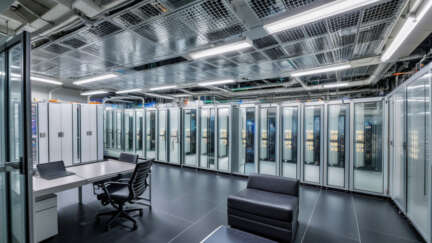
A robust IT infrastructure is the foundation of any successful business. It includes hardware, software, networks, and data centers that work together to support business operations. Investing in scalable and reliable IT solutions is crucial for long-term success. According to cisco.com, businesses should focus on building flexible and secure IT environments that can adapt to changing needs and technologies.
Regular maintenance, updates, and monitoring are essential for ensuring the smooth functioning of IT systems. Partnering with experienced IT service providers can help businesses access the latest technologies and expertise, enabling them to stay competitive in the market.
TL;DR
Information technology is a dynamic and ever-evolving field that plays a crucial role in digital communication, business operations, and career opportunities. Understanding the key components of IT, such as hardware, software, networks, and data processing systems, is essential for leveraging its benefits. The IT field offers a wide range of career paths for professionals with diverse skill sets, from software development to cybersecurity.
Emerging trends like AI, machine learning, IoT, and blockchain are shaping the future of IT, presenting new opportunities and challenges. Addressing cybersecurity threats, data privacy concerns, and building a strong IT infrastructure are critical for businesses to thrive in the digital age. By staying updated with the latest trends and best practices, tech professionals can continue to drive innovation and growth in the IT industry.