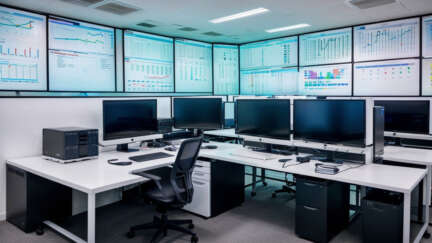

In the fast-paced world of manufacturing and industrial processes, staying ahead of the curve is crucial. Automation has become a cornerstone of efficiency, enabling businesses to optimize their operations, reduce costs, and enhance productivity. As we move through 2026, the landscape of automation continues to evolve, offering new tools and technologies that can transform the way we work. Whether you’re a seasoned professional or new to the field, understanding the latest trends and best practices in automation is essential for staying competitive.
This article delves into the world of automation, exploring key concepts such as automation software, SCADA automation, digital twins, and motion control technology. We’ll also discuss the broader implications of industrial automation and process automation, providing practical insights and real-world examples to help you optimize your processes. By the end of this article, you’ll have a comprehensive understanding of how automation can benefit your operations and a clear roadmap for implementing these technologies in your own workflows.
Understanding Automation
Automation refers to the use of control systems and information technologies to reduce the need for human intervention in various processes. From simple tasks like data entry to complex operations like manufacturing and quality control, automation can streamline workflows and improve accuracy. According to wikipedia.org, automation can be categorized into three main types: fixed automation, programmable automation, and flexible automation. Each type has its own set of advantages and applications, making it essential to choose the right approach for your specific needs.
Fixed automation, also known as hard automation, involves the use of specialized equipment designed for a specific task. This type of automation is ideal for high-volume production environments where the process remains relatively unchanged. Programmable automation, on the other hand, allows for greater flexibility by using programmable logic controllers (PLCs) and other software-based systems to control machinery. This approach is well-suited for batch production processes where changes in the production line are frequent. Flexible automation combines the best of both worlds, offering the adaptability of programmable automation with the efficiency of fixed automation. This type of automation is particularly useful in environments where product customization and rapid changes are required.
The Role of Automation Software
Automation software plays a pivotal role in modern industrial processes, enabling businesses to manage and control automated systems with ease. From monitoring equipment performance to analyzing data and making real-time adjustments, automation software provides a centralized platform for managing complex operations. One of the most widely used types of automation software is SCADA (Supervisory Control and Data Acquisition) systems. SCADA automation software allows operators to monitor and control industrial processes from a remote location, providing real-time data and alerts to ensure smooth operations.
According to automation.com, SCADA systems are particularly useful in industries such as oil and gas, water treatment, and manufacturing, where real-time monitoring and control are critical. By integrating SCADA automation software into your operations, you can enhance visibility, improve decision-making, and reduce downtime. Additionally, modern SCADA systems often come equipped with advanced analytics capabilities, allowing you to gain deeper insights into your processes and identify areas for improvement.
Key Features of SCADA Automation Software
When selecting SCADA automation software, it’s essential to consider the key features that will meet your specific needs. Some of the most important features to look for include real-time data monitoring, alarm management, historical data logging, and remote access capabilities. Real-time data monitoring allows you to keep a close eye on your processes, ensuring that any issues are identified and addressed promptly. Alarm management helps you prioritize and respond to critical events, minimizing the impact on your operations. Historical data logging provides valuable insights into past performance, enabling you to track trends and make data-driven decisions. Remote access capabilities allow you to monitor and control your processes from anywhere, providing greater flexibility and convenience.
In addition to these core features, many modern SCADA systems offer advanced functionalities such as predictive maintenance, energy management, and integration with other software platforms. Predictive maintenance uses data analytics to anticipate equipment failures, allowing you to schedule maintenance activities proactively and avoid costly downtime. Energy management helps you optimize energy consumption, reducing costs and improving sustainability. Integration with other software platforms enables seamless data exchange and collaboration, enhancing overall efficiency.
The Power of Digital Twins
Digital twins are virtual replicas of physical systems that can be used to simulate, analyze, and optimize industrial processes. By creating a digital twin of your manufacturing environment, you can test different scenarios, identify potential bottlenecks, and make data-driven decisions without disrupting your actual operations. Digital twins are particularly useful in the context of automation, as they allow you to model and optimize automated systems before implementing them in the real world.
According to rockwellautomation.com, digital twins can be used to improve process efficiency, reduce costs, and enhance product quality. By leveraging digital twins, you can gain a deeper understanding of your automated systems and identify opportunities for optimization. For example, you can use a digital twin to simulate the impact of different control strategies on your production line, allowing you to choose the most effective approach. Additionally, digital twins can be used to train operators and maintenance personnel, ensuring that they are familiar with the system and can respond effectively to any issues that arise.
Implementing Digital Twins in Your Operations
To implement digital twins in your operations, you’ll need to follow a structured approach that includes data collection, model creation, simulation, and analysis. The first step is to gather data from your physical systems using sensors and other monitoring devices. This data will form the basis of your digital twin, providing the necessary information to create an accurate virtual replica. Once you have collected the data, you can use specialized software tools to create a digital model of your system. This model should include all the key components and their interactions, allowing you to simulate different scenarios and analyze the results.
After creating your digital twin, you can use it to simulate various operating conditions and test different control strategies. By analyzing the simulation results, you can identify the most effective approach and implement it in your actual operations. Additionally, you can use your digital twin to monitor the performance of your automated systems in real-time, making adjustments as needed to optimize efficiency and productivity. Regularly updating your digital twin with new data ensures that it remains accurate and relevant, providing ongoing value to your operations.
Motion Control Technology
Motion control technology is a critical component of industrial automation, enabling precise and coordinated movement of machinery and equipment. From conveyor systems to robotic arms, motion control technology plays a vital role in ensuring the smooth and efficient operation of automated systems. By integrating motion control technology into your processes, you can achieve greater accuracy, speed, and flexibility, enhancing overall productivity and quality.
According to rovisys.com, motion control technology encompasses a range of devices and systems, including servomotors, stepper motors, motion controllers, and drives. Servomotors are highly precise motors that provide accurate positioning and speed control, making them ideal for applications requiring high levels of accuracy. Stepper motors offer discrete movement in fixed increments, making them suitable for applications where precise positioning is required. Motion controllers coordinate the movement of multiple axes, ensuring smooth and synchronized operation. Drives provide the necessary power and control to operate motors and other motion devices.
Selecting the Right Motion Control Technology
When selecting motion control technology for your automated systems, it’s essential to consider factors such as accuracy, speed, load capacity, and environmental conditions. Accuracy refers to the ability of the system to achieve the desired position or speed with minimal deviation. Speed is a critical factor in applications where rapid movement is required. Load capacity refers to the maximum weight or force that the system can handle, ensuring that it can meet the demands of your specific application. Environmental conditions, such as temperature, humidity, and vibration, can also impact the performance and longevity of motion control technology, making it essential to choose systems that are designed to withstand these conditions.
In addition to these technical considerations, it’s important to choose motion control technology that is compatible with your existing automated systems and software platforms. Compatibility ensures seamless integration and minimizes the risk of compatibility issues that can disrupt your operations. Additionally, choosing motion control technology from reputable manufacturers can provide access to technical support, training, and other resources that can enhance the performance and reliability of your automated systems.
Industrial Automation and Process Automation
Industrial automation and process automation are broader concepts that encompass a wide range of technologies and applications. Industrial automation refers to the use of control systems and information technologies to manage and optimize industrial processes, including manufacturing, assembly, and quality control. Process automation, on the other hand, focuses on the automation of specific processes within an industrial environment, such as material handling, packaging, and inspection. Both industrial automation and process automation aim to improve efficiency, reduce costs, and enhance product quality.
According to xkcd.com, the benefits of industrial automation and process automation are numerous. By automating repetitive and labor-intensive tasks, businesses can reduce the need for manual intervention, minimizing the risk of human error and improving consistency. Additionally, automation can enhance safety by reducing the exposure of workers to hazardous conditions. Furthermore, automation can provide valuable data and insights into process performance, enabling businesses to make data-driven decisions and continuously improve their operations.
Implementing Industrial Automation and Process Automation
To implement industrial automation and process automation in your operations, it’s essential to follow a structured approach that includes needs assessment, technology selection, implementation, and continuous improvement. The first step is to assess your specific needs and identify the areas where automation can provide the greatest benefits. This may involve conducting a thorough analysis of your current processes, identifying bottlenecks, and evaluating the potential impact of automation on your operations.
Once you have identified your automation needs, the next step is to select the appropriate technologies and systems. This may involve choosing from a range of automation software, hardware, and integration platforms, depending on your specific requirements. It’s essential to choose technologies that are compatible with your existing systems and can be easily integrated into your workflows. Additionally, it’s important to consider factors such as scalability, flexibility, and ease of use when selecting automation technologies.
The implementation phase involves deploying the selected automation technologies and integrating them into your existing workflows. This may involve configuring software settings, installing hardware components, and training operators and maintenance personnel. It’s essential to ensure that the implementation process is well-planned and executed to minimize disruptions to your operations and ensure a smooth transition to automated systems.
After implementing automation technologies, it’s important to continuously monitor and evaluate their performance to identify areas for improvement. This may involve collecting and analyzing data, conducting regular maintenance activities, and making adjustments as needed to optimize efficiency and productivity. Additionally, it’s essential to stay up-to-date with the latest advancements in automation technologies and best practices to ensure that your operations remain competitive and efficient.
TL;DR
In this article, we explored the world of automation, discussing key concepts such as automation software, SCADA automation, digital twins, and motion control technology. We also delved into the broader implications of industrial automation and process automation, providing practical insights and real-world examples to help you optimize your processes. By understanding the latest trends and best practices in automation, you can enhance efficiency, reduce costs, and improve product quality in your manufacturing and industrial operations.
Key takeaways include the importance of selecting the right automation technologies for your specific needs, the benefits of digital twins in modeling and optimizing automated systems, and the critical role of motion control technology in ensuring precise and coordinated movement of machinery. Additionally, we highlighted the structured approach to implementing industrial automation and process automation, emphasizing the need for continuous monitoring and improvement to maximize the benefits of automation.
As we move through 2026, the landscape of automation continues to evolve, offering new opportunities for businesses to streamline their operations and stay competitive. By leveraging the latest advancements in automation technologies and best practices, you can transform your manufacturing and industrial processes, achieving greater efficiency, productivity, and quality. Whether you’re a seasoned professional or new to the field, staying informed and proactive in your approach to automation is essential for success in today’s fast-paced industrial environment.