
Information Technology (IT) is a broad field that encompasses the use of computers, networks, and other digital technologies to process, store, and transmit information. It’s an integral part of modern life, driving innovation and efficiency in both personal and professional settings. Whether you’re a tech professional or a beginner looking to understand IT concepts, this guide will provide a comprehensive overview of what IT is, its key components, and its importance in today’s digital world.
From digital communication to network administration, IT plays a crucial role in how we interact with technology. Understanding the fundamentals of IT can help you navigate this ever-evolving landscape with confidence. So, let’s dive in and explore the fascinating world of information technology.
What is Information Technology?
Information Technology refers to the use of computers, networks, and other digital technologies to manage and process information. It includes the development, maintenance, and use of software, hardware, and communication systems. IT is essential for businesses, governments, and individuals to store, retrieve, and transmit information efficiently.
According to coursera.org, IT is a field that combines computer science, electrical engineering, and management to design and build hardware and software systems that can process information. It’s a dynamic field that constantly evolves with technological advancements.
Key Components of IT
The field of IT is composed of several key components that work together to create a seamless digital experience. These components include hardware, software, databases, networks, and security systems.
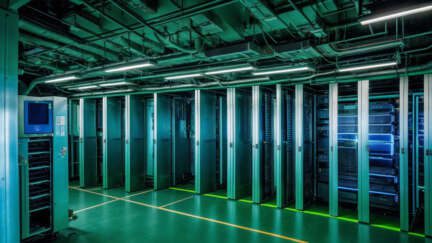
Hardware refers to the physical devices used to process information, such as computers, servers, and storage devices. Software, on the other hand, includes the programs and applications that run on these devices. Databases are used to store and organize large amounts of data, while networks enable communication and data sharing between different devices.
Security systems are crucial for protecting sensitive information from unauthorized access and cyber threats. These components are interconnected and rely on each other to function effectively. For example, a network administrator might use software to manage a company’s network, which consists of various hardware devices connected to each other.
The Role of IT in Digital Communication
Digital communication is a vital aspect of IT that enables the exchange of information between individuals and organizations. It includes email, instant messaging, video conferencing, and social media platforms. These tools have revolutionized the way we communicate, making it faster, easier, and more efficient.
According to comptia.org, digital communication technologies have transformed the workplace, allowing employees to collaborate remotely and access information from anywhere. This has led to increased productivity and flexibility in the modern workforce.
Network Administration and IT
Network administration is a critical function within IT that involves managing and maintaining the computer networks that support an organization’s operations. Network administrators are responsible for ensuring that networks are secure, reliable, and efficient. They perform tasks such as configuring network hardware, monitoring network performance, and troubleshooting issues.
Network administration is essential for businesses that rely on digital communication and data sharing. A well-managed network can improve productivity, reduce downtime, and enhance security. Network administrators use a variety of tools and technologies to perform their duties, including network management software, firewalls, and intrusion detection systems.
The Importance of IT in Modern Society
IT has become an indispensable part of modern society, influencing almost every aspect of our lives. From healthcare to education, IT has transformed the way we live, work, and interact with each other. Its impact can be seen in various sectors, including business, government, and entertainment.
According to csrc.nist.gov, IT is essential for economic growth and development. It enables businesses to streamline their operations, reduce costs, and reach new markets. Governments use IT to provide better services to citizens, such as online voting, digital identification, and e-government services.
IT in Everyday Life
In our everyday lives, IT has made tasks such as banking, shopping, and communication more convenient and efficient. Online banking allows us to manage our finances from anywhere, while e-commerce platforms enable us to shop for goods and services with just a few clicks. Social media platforms have transformed the way we connect with friends and family, making it easier to share experiences and stay in touch.
IT has also revolutionized the way we access information. Search engines, online encyclopedias, and digital libraries provide us with instant access to a wealth of knowledge. This has empowered individuals to learn, create, and innovate in ways that were previously unimaginable.
Emerging Trends in IT
The field of IT is constantly evolving, with new technologies and trends emerging all the time. Some of the most exciting developments include artificial intelligence (AI), the Internet of Things (IoT), and cloud computing. These innovations are transforming the way we use technology and opening up new possibilities for the future.
AI, for example, is being used to automate tasks, improve decision-making, and enhance customer experiences. IoT refers to the network of physical devices embedded with sensors, software, and other technologies that connect and exchange data. Cloud computing allows businesses to store and access data and applications over the internet, reducing the need for physical infrastructure.
The Future of IT
As technology continues to advance, the future of IT looks bright. Emerging technologies such as quantum computing, blockchain, and virtual reality are poised to revolutionize the way we use and interact with technology. These innovations have the potential to solve complex problems, improve efficiency, and create new opportunities for businesses and individuals.
The future of IT will also be shaped by the growing demand for skilled professionals. As the field continues to evolve, there will be an increasing need for individuals with expertise in areas such as cybersecurity, data analysis, and software development. Investing in education and training will be crucial for staying competitive in the ever-changing landscape of IT.
TL;DR
In summary, Information Technology (IT) is a broad field that encompasses the use of computers, networks, and other digital technologies to manage and process information. It plays a crucial role in digital communication, network administration, and various aspects of modern society. Key components of IT include hardware, software, databases, networks, and security systems. Emerging trends such as AI, IoT, and cloud computing are shaping the future of IT, creating new opportunities and challenges for businesses and individuals alike.
Understanding the fundamentals of IT is essential for navigating the digital world with confidence. Whether you’re a tech professional or a beginner, staying informed about the latest developments in IT can help you make the most of this dynamic and ever-evolving field.