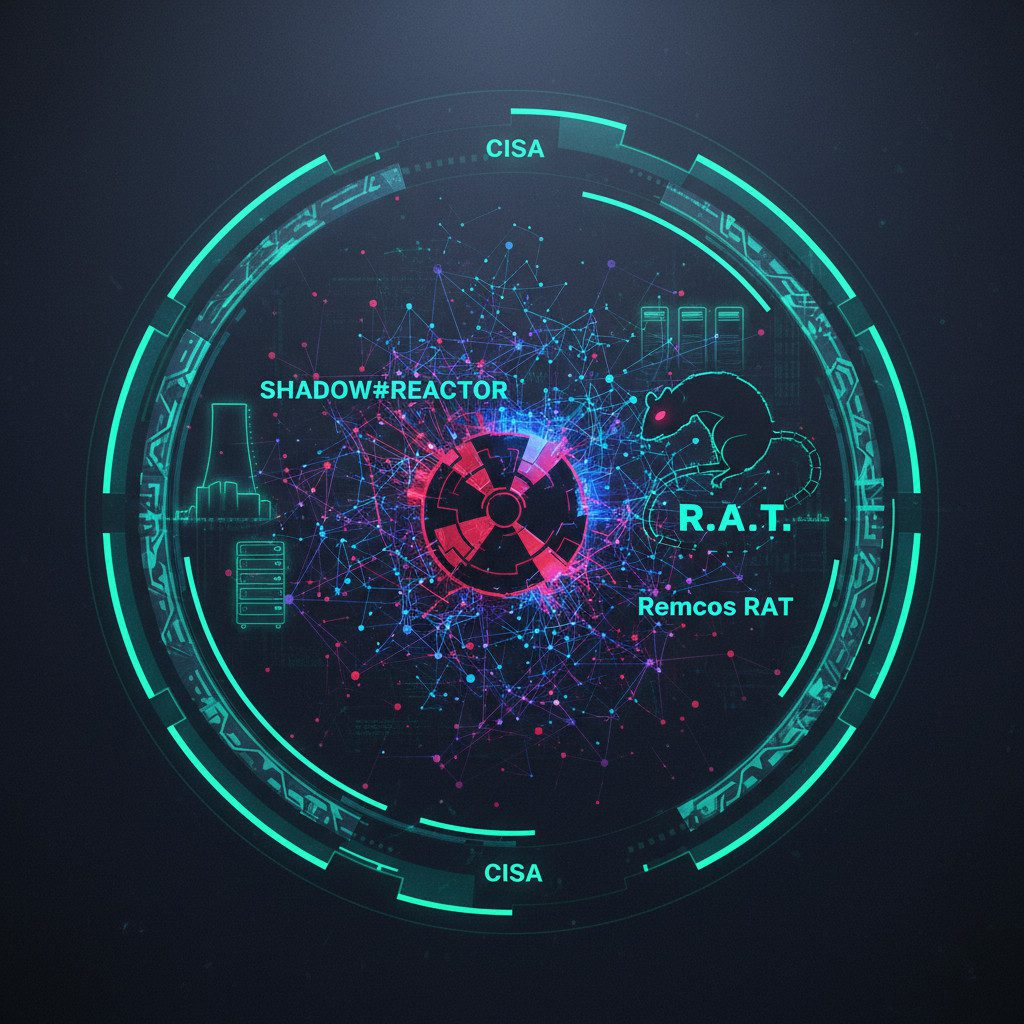

In the ever-evolving landscape of cybersecurity, staying ahead of threat actors is a constant challenge. Cybersecurity professionals and organizations must remain vigilant to protect critical infrastructure from sophisticated attacks. This article delves into the latest threats, including the SHADOW#REACTOR hacktivist group, the Remcos RAT, and provides essential mitigation strategies to bolster your defense.
Understanding the tactics, techniques, and procedures (TTPs) of threat actors is crucial for developing effective countermeasures. The Cybersecurity and Infrastructure Security Agency (CISA) regularly issues advisories to keep the cybersecurity community informed about emerging threats. By leveraging these resources and adopting best practices, organizations can significantly reduce their risk exposure.
Understanding SHADOW#REACTOR
SHADOW#REACTOR is a hacktivist group known for its disruptive activities targeting critical infrastructure. This group has been linked to several high-profile attacks, leveraging a mix of hacktivism and cybercriminal tactics. Their motives often align with political or social causes, making their actions unpredictable and challenging to mitigate.
To defend against SHADOW#REACTOR, organizations must stay informed about the group’s latest activities and adapt their security posture accordingly. CISA provides valuable insights and indicators of compromise (IOCs) that can help in identifying and mitigating potential threats. Regularly reviewing these advisories and integrating the provided IOCs into your security systems can enhance your organization’s resilience.
Key Tactics and Indicators
SHADOW#REACTOR employs a variety of tactics, including distributed denial-of-service (DDoS) attacks, data breaches, and defacement of websites. Their preferred methods often involve exploiting known vulnerabilities in software and systems. By understanding these tactics, cybersecurity professionals can better prepare their defenses.
Some common indicators of a SHADOW#REACTOR attack include unusual network traffic patterns, unexpected system crashes, and unauthorized access to sensitive data. Monitoring these indicators and implementing robust logging and monitoring systems can help in early detection and response to potential threats.
The Remcos RAT: A Persistent Threat
The Remcos RAT (Remote Access Trojan) is a potent tool used by threat actors to gain unauthorized access to systems. It allows attackers to remotely control infected machines, steal sensitive information, and execute malicious commands. The Remcos RAT has been linked to several high-profile cyber incidents, making it a significant concern for cybersecurity professionals.
To mitigate the risk posed by the Remcos RAT, organizations should focus on preventing initial infection through robust endpoint protection and regular software updates. Additionally, implementing network segmentation and least privilege principles can limit the impact of a successful attack. CISA’s advisories often provide specific guidance on detecting and mitigating Remcos RAT infections, making them an invaluable resource for cybersecurity teams.
Detection and Mitigation Strategies
Detecting Remcos RAT infections early is crucial for minimizing damage. Common signs of infection include unusual system behavior, unexpected network connections, and the presence of unknown processes. Utilizing advanced threat detection tools and regularly scanning systems for signs of compromise can help in identifying infections promptly.
Mitigation strategies for the Remcos RAT include deploying endpoint detection and response (EDR) solutions, conducting regular vulnerability assessments, and educating employees about phishing and social engineering attacks. By combining these measures, organizations can significantly reduce their exposure to the Remcos RAT and other similar threats.
Hacktivist Attacks and Critical Infrastructure
Hacktivist attacks pose a unique challenge to critical infrastructure, as they often target systems that provide essential services to the public. These attacks can disrupt operations, cause financial losses, and damage an organization’s reputation. Understanding the motivations and tactics of hacktivist groups is essential for developing effective countermeasures.
To protect critical infrastructure from hacktivist attacks, organizations should focus on enhancing their security posture through regular risk assessments, vulnerability management, and incident response planning. Collaborating with industry partners and government agencies, such as CISA, can provide additional resources and support for mitigating these threats.
Best Practices for Protection
Implementing best practices for protecting critical infrastructure involves a multi-layered approach. This includes deploying advanced security technologies, such as firewalls, intrusion detection systems, and encryption, as well as adopting robust policies and procedures for managing access and permissions. Regularly testing these measures through penetration testing and tabletop exercises can help in identifying and addressing potential vulnerabilities.
Additionally, organizations should prioritize employee training and awareness programs to ensure that all staff members understand their role in maintaining security. By fostering a culture of security awareness, organizations can create a strong first line of defense against hacktivist attacks and other cyber threats.
Threat Actor Tactics and Mitigation Strategies
Understanding the tactics employed by threat actors is crucial for developing effective mitigation strategies. Cybersecurity professionals must stay informed about the latest trends and techniques used by attackers to adapt their defenses accordingly. CISA’s advisories provide valuable insights into the TTPs of various threat actors, helping organizations to identify and mitigate potential risks.
To mitigate the risks posed by threat actors, organizations should focus on implementing a comprehensive security framework that includes threat intelligence, vulnerability management, and incident response planning. By integrating these components into their security strategy, organizations can enhance their ability to detect, respond to, and recover from cyber incidents.
Threat Intelligence and Vulnerability Management
Threat intelligence plays a critical role in identifying and mitigating potential threats. By leveraging threat intelligence feeds and analyzing IOCs, organizations can gain valuable insights into the tactics and techniques used by threat actors. This information can be used to enhance detection capabilities and develop targeted mitigation strategies.
Vulnerability management is another essential component of a robust security strategy. Regularly identifying and addressing vulnerabilities in systems and software can help in preventing exploitation by threat actors. Implementing a structured vulnerability management program, including regular scanning and patching, can significantly reduce the risk of successful attacks.
TL;DR
In summary, staying ahead of cybersecurity threats requires a proactive approach to threat awareness and mitigation. Understanding the tactics of groups like SHADOW#REACTOR and the risks posed by tools like the Remcos RAT is essential for developing effective countermeasures. By leveraging resources from CISA and adopting best practices, organizations can enhance their security posture and protect critical infrastructure from hacktivist attacks and other cyber threats.
Key takeaways include the importance of threat intelligence, vulnerability management, and incident response planning. Regularly reviewing advisories from CISA and integrating the provided IOCs into security systems can help in early detection and mitigation of potential threats. Additionally, fostering a culture of security awareness and implementing robust policies and procedures can create a strong first line of defense against cyber attacks.