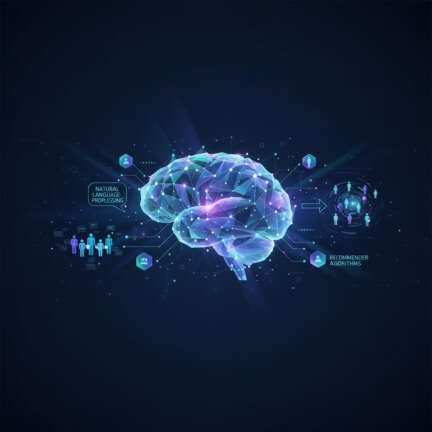

The world of technology is constantly evolving, with new tools and methodologies emerging to streamline operations and enhance efficiency. One such methodology that has gained significant traction in recent years is automation. Whether you’re dealing with Robotic Process Automation (RPA), Machine Learning (ML), Artificial Intelligence (AI), or simply looking for ways to optimize your IT workflows, understanding how these technologies can be harnessed is crucial for staying ahead of the curve.
In this article, we’ll delve into the world of automation and explore its various facets. We’ll cover everything from basic concepts like what automation entails to more advanced topics such as EDI 997 functional acknowledgments, RPA tools, and how these technologies can be integrated seamlessly within your organization’s IT infrastructure.
Understanding Automation
At its core, automation refers to the use of technology to perform tasks that would otherwise require human intervention. The goal is to reduce the need for manual labor by automating repetitive and time-consuming processes. This can range from simple scripts that automate data entry tasks to complex systems that leverage machine learning algorithms to predict and mitigate potential issues before they occur.
One common example of automation in action is Robotic Process Automation (RPA). RPA tools allow organizations to create software robots that mimic human actions, such as logging into applications, entering data, and extracting information. By automating these routine tasks, businesses can free up their workforce to focus on more strategic initiatives.
The Benefits of IT Automation
IT automation brings a myriad of benefits to the table. Firstly, it reduces the risk of human error by taking over repetitive and mundane tasks that are prone to mistakes when performed manually. This not only saves time but also improves data integrity and accuracy. Secondly, automation can significantly enhance productivity by freeing up IT staff from routine maintenance activities so they can focus on higher-value projects.
Another key advantage is cost savings. By automating processes like software deployment and configuration management, businesses can reduce the need for additional headcount and minimize operational expenses related to manual labor. Additionally, automation enables organizations to scale more efficiently as they grow without needing a proportional increase in personnel resources.
The Role of Machine Learning and AI
Machine learning (ML) and artificial intelligence (AI) are increasingly becoming integral components within the realm of IT automation. These technologies enable systems to learn from data, identify patterns, and make decisions with minimal human intervention. For instance, ML algorithms can analyze vast amounts of log files to detect anomalies that may indicate potential security threats or performance issues.
Moreover, AI-powered chatbots are another area where these technologies shine. By leveraging natural language processing (NLP) capabilities, companies can develop intelligent customer support systems capable of addressing common queries and providing real-time assistance 24/7 without the need for human agents. This not only improves customer satisfaction but also reduces operational costs associated with traditional call centers.
Integrating EDI into Automation
Another critical aspect of automation in the business world is Electronic Data Interchange (EDI). EDI enables businesses to exchange data electronically across various platforms and formats, ensuring seamless communication between different systems. One specific type of EDI document that plays a crucial role in this context is the EDI 997 Functional Acknowledgement.
When an organization sends out an electronic transaction or message using EDI standards, it receives an immediate response through an EDI 997 acknowledgment. This document confirms receipt and validates the integrity of the transmitted data without providing any substantive information about the content itself. By automating this process, companies can ensure that their transactions are being processed correctly and efficiently.
Implementing Robotic Process Automation
Robotic Process Automation (RPA) is one of the most popular forms of automation used today. It involves creating software bots that replicate human actions in digital environments, allowing businesses to automate a wide range of processes without changing existing IT infrastructure.
To implement RPA effectively, organizations need to start by identifying which tasks are suitable for automation based on their complexity and frequency. Common examples include data entry, report generation, invoice processing, and account reconciliation. Once the target processes have been identified, businesses can choose from various RPA tools available in the market.
Choosing the Right RPA Tools
The choice of RPA tool largely depends on factors such as business needs, scalability requirements, ease of use, and integration capabilities. Some popular options include UiPath, Automation Anywhere, Blue Prism, and IBM Robotic Process Automation (RPA). Each solution offers unique features tailored to specific enterprise requirements.
For instance, UiPath provides an extensive library of pre-built connectors that facilitate seamless integration with multiple applications out-of-the-box. On the other hand, Automation Anywhere excels at handling complex business processes through its intelligent automation capabilities powered by AI and ML technologies.
Leveraging Machine Learning for Predictive Analytics
Machine learning (ML) offers tremendous potential when it comes to predictive analytics within IT environments. By analyzing historical data patterns, organizations can build models that predict future trends accurately, thereby enabling proactive decision-making rather than reactive responses.
A practical application of ML in this context is anomaly detection. Using ML algorithms like Isolation Forests or One-Class SVM, businesses can monitor system logs and detect unusual behavior indicative of security breaches or performance degradation early on before they escalate into major issues.
Real-World Examples
To illustrate the impact of automation in real-world scenarios, let’s consider an example from a large multinational corporation. This company was facing challenges due to manual data entry processes across multiple departments leading to inefficiencies and errors. By implementing RPA solutions such as UiPath, they were able to automate these tasks resulting in significant improvements:
- Reduced processing time by 90%
- Eliminated over 25% of human errors
- Saved approximately $3 million annually
Taking Advantage of Artificial Intelligence
Artificial intelligence (AI) takes automation to the next level by enabling machines to learn from data and make decisions autonomously. Within IT environments, AI can be leveraged for tasks ranging from customer support via chatbots to predictive maintenance.
One such use case is intelligent alert management systems powered by natural language processing and machine learning algorithms. These tools analyze incoming alerts in real-time, classify them based on severity levels, and prioritize them accordingly so that IT teams can respond promptly to critical incidents without being overwhelmed by less urgent notifications.
Future Outlook
The future of automation is incredibly promising as advancements continue to be made in areas like AI, ML, RPA, and more. As these technologies evolve, we’re likely to see even greater integration across various industries leading to unprecedented levels of efficiency and productivity.
TL;DR
In summary, automation offers immense opportunities for optimizing workflows and increasing productivity within IT environments. Whether through Robotic Process Automation (RPA), Machine Learning (ML), Artificial Intelligence (AI), or integrating EDI standards like 997 acknowledgements, businesses can reap numerous benefits including reduced costs, improved accuracy, enhanced customer satisfaction, and faster time-to-market.
Related reading
- Automate Cloud Deployments with Ease: A Guide to IT Automation — Related Article
- Automate Repetitive Tasks with Robotic Process Automation (RPA) — Related Article
- Streamline Your Business with Workflow Automation — Related Article