
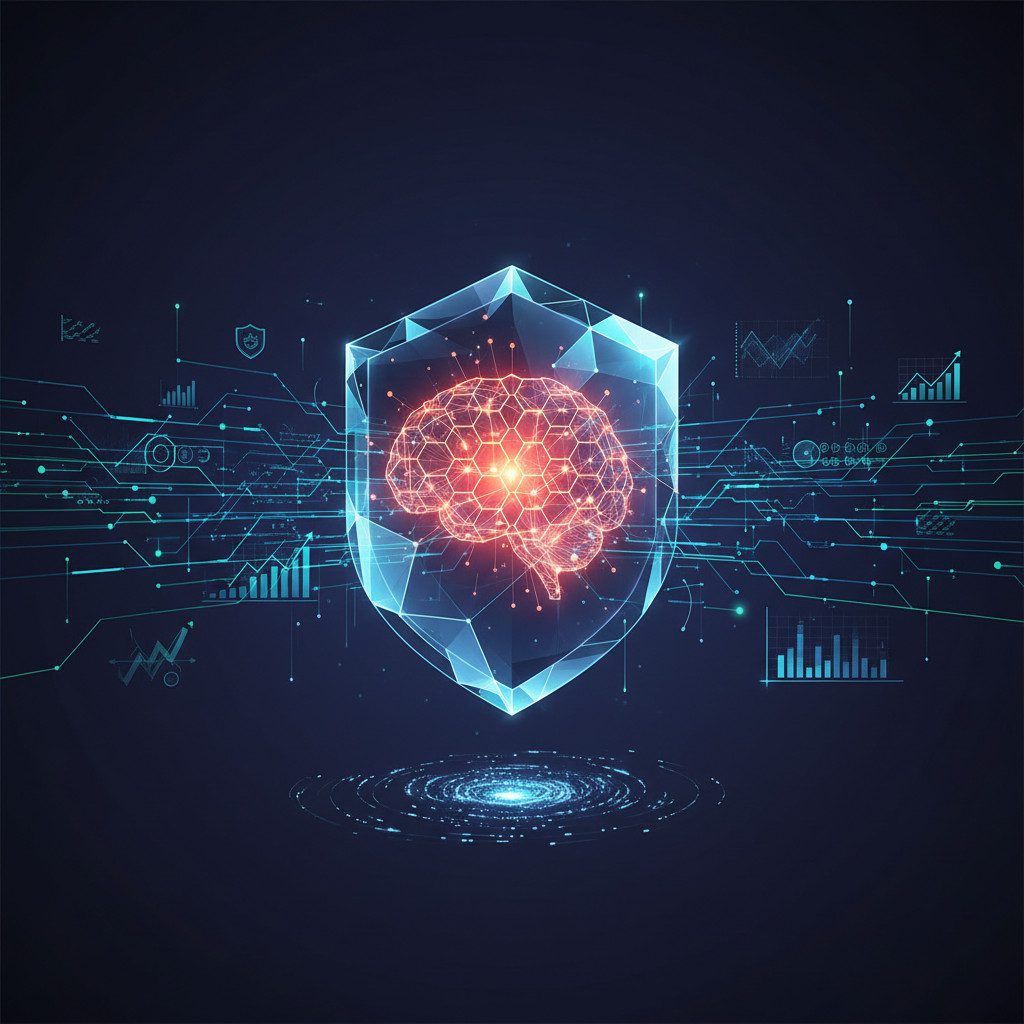

The landscape of Information Technology (IT) is rapidly evolving with the increasing adoption of automation technologies. From routine tasks to complex operations, automation has become a cornerstone for efficiency and productivity. This article delves into how automation impacts IT processes and cybersecurity, providing insights that are invaluable for IT professionals, business leaders, and tech enthusiasts seeking to optimize their systems.
Understanding Automation in IT
Automation in IT refers to the use of software tools or scripts to perform tasks automatically. This can range from simple repetitive jobs like sending emails or backing up data to more complex processes such as managing cloud infrastructure and monitoring system performance. The primary goal is to reduce human intervention, minimize errors, and free up valuable time for strategic initiatives.
One of the most significant benefits of IT automation is its ability to streamline workflows, enhance productivity, and ensure consistency across various tasks. By automating routine operations like software deployment or network monitoring, organizations can focus on more critical functions while maintaining optimal performance levels. Additionally, modern automation tools incorporate artificial intelligence (AI) and machine learning (ML) capabilities that enable predictive analytics and proactive problem-solving.
Role of AI and ML in IT Automation
The integration of AI and ML into IT automation processes has revolutionized the way organizations manage their systems. These advanced technologies allow for more sophisticated pattern recognition, enabling automated tools to identify anomalies or potential issues before they become critical. For instance, machine learning algorithms can analyze vast amounts of data from network traffic logs, server performance metrics, and application usage patterns to detect unusual activity indicative of security threats.
Moreover, AI-driven automation enhances forecasting capabilities by predicting system requirements based on historical data trends. This predictive approach helps in resource allocation, capacity planning, and proactive maintenance measures. For example, an automated tool might predict a surge in user demand during peak seasons and automatically scale up server resources to handle the load without manual intervention.
Enhancing Cybersecurity through Automation
Cybersecurity is a critical aspect of any IT environment, and automation plays a pivotal role in safeguarding systems against threats. Traditional security measures often rely on reactive approaches that focus on detecting and responding to incidents after they occur. However, modern cybersecurity strategies leverage automated solutions that employ AI and ML for real-time threat detection and mitigation.
Automated security tools can continuously monitor networks, endpoints, and applications for suspicious activities using advanced analytics and behavioral analysis techniques. By identifying patterns indicative of potential cyber attacks—such as unusual login attempts or data exfiltration events—these systems enable swift action to contain threats before they cause significant damage.
Implementing Automated Information Systems (AIS)
The concept of Automated Information Systems (AIS) involves the design, development, and deployment of sophisticated software solutions that integrate multiple technologies for seamless data processing and management. AIS can significantly enhance information security by providing robust mechanisms to protect sensitive data and ensure compliance with regulatory standards.
For example, an AIS might incorporate features like real-time encryption, access control policies, and continuous monitoring to prevent unauthorized access or breaches. Furthermore, these systems often include incident response modules that enable rapid detection and containment of security incidents, minimizing the impact on business operations.
Challenges and Considerations
While automation offers numerous benefits, it also presents challenges that organizations must address to reap maximum rewards. One major concern is ensuring data accuracy and integrity when relying heavily on automated systems. Additionally, there may be resistance from employees who are accustomed to manual processes or fear job displacement due to increased reliance on technology.
Another critical consideration is the need for robust security measures in place to protect against potential vulnerabilities introduced by automation tools themselves. As these tools often interact with sensitive data and critical systems, they become prime targets for cyber attackers looking to exploit weaknesses.
Ethical and Regulatory Compliance
When implementing automated solutions, it is essential to consider ethical implications and regulatory compliance requirements. Organizations must ensure that automation practices do not infringe upon privacy rights or violate data protection laws such as GDPR or HIPAA. This involves conducting thorough risk assessments, establishing clear guidelines for data handling, and providing transparent communication about how personal information will be utilized.
Moreover, companies should engage in continuous monitoring and auditing of automated systems to detect any potential breaches or misuse early on. Regular updates and patches are also crucial to maintaining the security posture amidst evolving threat landscapes.
Future Trends in IT Automation
The future of automation in IT is promising with advancements in areas like cloud computing, edge analytics, and quantum computing opening new possibilities for innovation. Cloud platforms offer scalable infrastructure that supports rapid deployment of automated workflows across distributed environments. Edge analytics enables real-time processing closer to data sources reducing latency and improving performance.
Furthermore, quantum computing holds the potential to revolutionize problem-solving capabilities in complex fields such as cryptography, logistics optimization, and drug discovery where traditional methods fall short due to computational limitations. As these technologies mature, we can expect more sophisticated applications of automation that will further enhance efficiency and effectiveness across various industries.
TL;DR
The article discusses the transformative impact of IT automation on business operations and cybersecurity. By leveraging AI and ML, organizations can achieve greater operational efficiency while enhancing security through real-time threat detection and mitigation. However, it is crucial to address challenges related to data accuracy, employee resistance, and regulatory compliance. As technology continues to evolve, future trends like cloud computing and quantum computing promise even more advanced applications of automation.
Related reading
- Scaling Startup Success with Proven Growth Strategies — Related article
- Top Business Ideas for Entrepreneurs in 2023: Success Strategies — Related article
- Cybersecurity Best Practices for Business Protection — Related article
- Unlock AI-Powered Insights with NLP and Document Analysis — Related article
- Unlocking Deep Learning Secrets for AI Enthusiasts — Related article






1 Comment
Comments are closed.