
The world of Information Technology (IT) is rapidly evolving, driven by a growing need for efficiency and scalability. One significant trend that has emerged to meet these demands is IT automation. By leveraging advanced technologies such as machine learning and artificial intelligence, organizations can streamline their workflows, reduce human error, and increase productivity across various domains including data centers and cloud deployments. This article delves into the intricacies of IT automation, highlighting its benefits, challenges, and future prospects.
Understanding IT Automation
IT automation refers to the use of software tools and techniques designed to automate repetitive tasks in an IT environment. It encompasses a wide range of activities such as configuration management, monitoring, provisioning, and orchestration. According to VMware, automation technology is crucial for modern IT operations due to its ability to handle complex tasks efficiently.
At the core of IT automation lies the concept of reducing manual intervention and increasing operational efficiency. By automating mundane but critical processes, IT professionals can focus on more strategic initiatives that drive business growth. For instance, cloud deployment automation allows organizations to rapidly scale their infrastructure without the need for extensive human oversight. This not only accelerates time-to-market but also ensures consistent performance across different environments.
Benefits of Automation in Data Centers
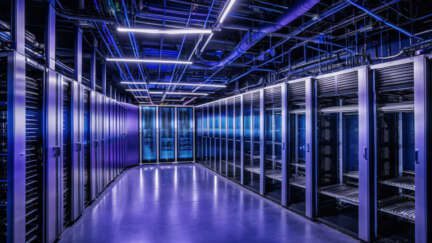
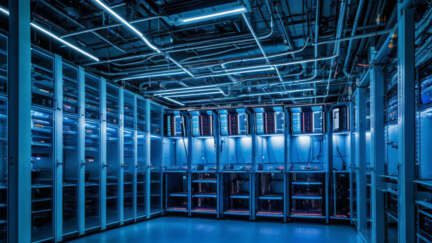
Data centers are at the heart of many IT operations, housing critical hardware and software components that enable businesses to function smoothly. In these environments, automation plays a pivotal role by enabling predictive maintenance, optimizing resource utilization, and enhancing security measures. For example, automated monitoring systems can detect potential issues before they escalate into major problems, thereby minimizing downtime.
Moreover, automation in data centers facilitates the implementation of best practices across various domains such as network management, storage solutions, and server administration. Tools like Ansible and Puppet are widely used for configuration management, ensuring that all components operate within predefined parameters. This consistency is crucial for maintaining high levels of performance and reliability.
Optimizing Resource Utilization
In addition to monitoring and maintenance, automation also aids in optimizing resource utilization. By dynamically allocating resources based on real-time demand, data centers can achieve higher efficiency ratios while reducing costs associated with over-provisioning. For instance, using intelligent algorithms for load balancing ensures that workloads are distributed evenly across available servers.
Cloud Deployment Automation
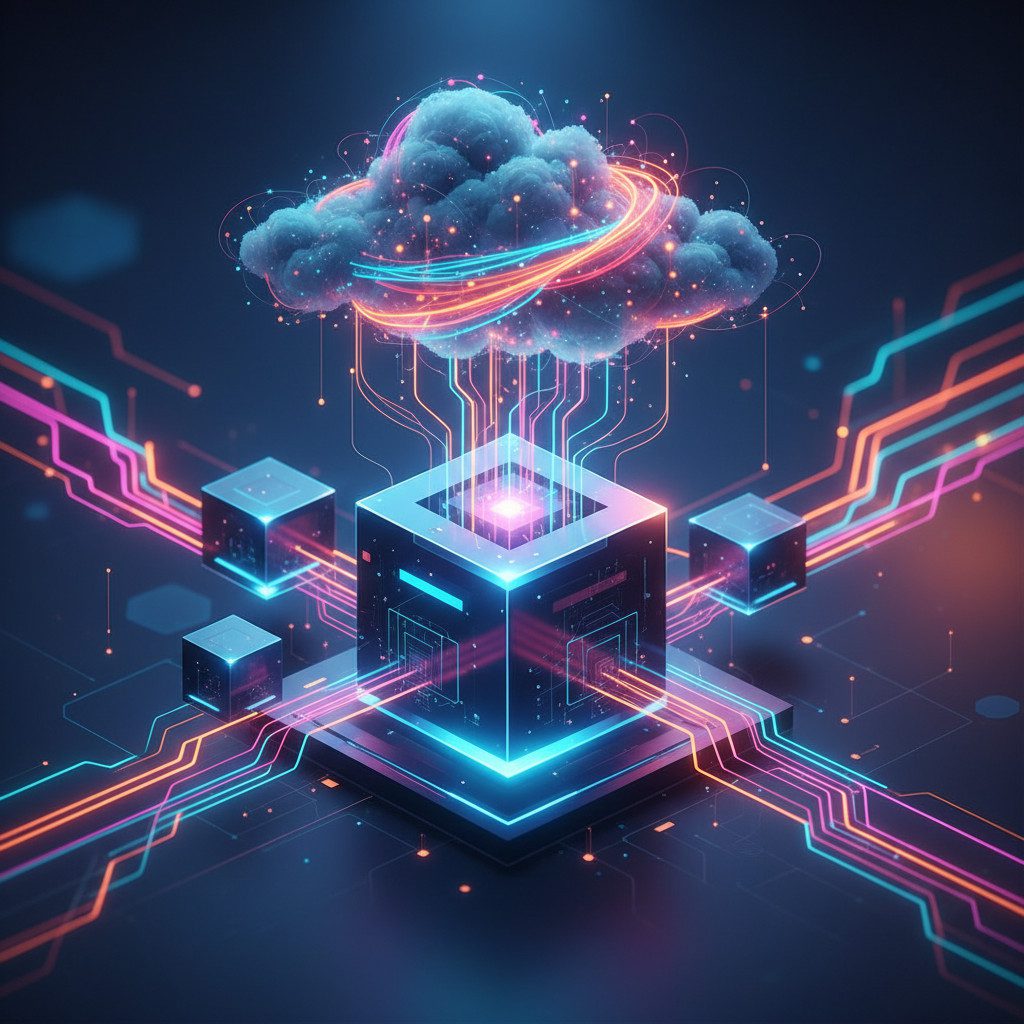
Moving beyond traditional data center operations, cloud deployment automation has become increasingly important as more organizations embrace hybrid and multi-cloud strategies. Cloud platforms like Amazon Web Services (AWS) and Microsoft Azure provide robust tools for automating deployment processes, thereby simplifying the transition to cloud environments.
One of the key advantages of cloud deployment automation is its ability to support continuous integration and delivery (CI/CD). Automated pipelines ensure that code changes are quickly validated and deployed without manual intervention. This accelerates the development lifecycle while maintaining quality standards through automated testing and validation.
Challenges in IT Automation
Despite its numerous benefits, IT automation also comes with several challenges that organizations must address. One major concern is ensuring data security in an increasingly connected world. Automated systems can inadvertently introduce vulnerabilities if not properly managed or monitored.
Another challenge lies in the complexity of integrating existing legacy systems with modern automation tools. Organizations often face difficulties when trying to bridge this gap, leading to delays and increased costs. Effective planning and a phased approach are essential to overcome these hurdles successfully.
The Future of AI-Driven Automation
Looking ahead, the integration of artificial intelligence (AI) into IT automation holds immense potential for further optimization. Machine learning algorithms can analyze vast amounts of operational data to predict trends and identify inefficiencies proactively. This predictive capability enables organizations to take preemptive actions before issues arise.
Furthermore, AI-driven automation promises greater adaptability in dynamic environments such as cloud computing. As businesses continue to evolve, so too will the tools that support them. The seamless integration of advanced analytics with traditional IT operations is set to redefine how we approach infrastructure management and service delivery.
Taking Advantage of Automation Techniques
To fully leverage the benefits offered by IT automation, organizations must adopt a strategic mindset when implementing these technologies. A thorough understanding of existing processes coupled with clear objectives will pave the way for successful adoption. Training staff on new tools and techniques is equally important to ensure smooth transitions.
Ultimately, embracing automation requires an ongoing commitment to innovation and continuous improvement. By staying abreast of emerging trends and best practices, IT professionals can position themselves as key drivers of change within their organizations. This not only enhances operational efficiency but also fosters a culture of collaboration and growth.
TL;DR
In summary, IT automation offers significant advantages for optimizing workflows in data centers and cloud deployments. From reducing manual intervention to improving security measures and enabling continuous integration, the benefits are manifold. However, organizations must be prepared to address potential challenges such as data security concerns and legacy system integration issues.