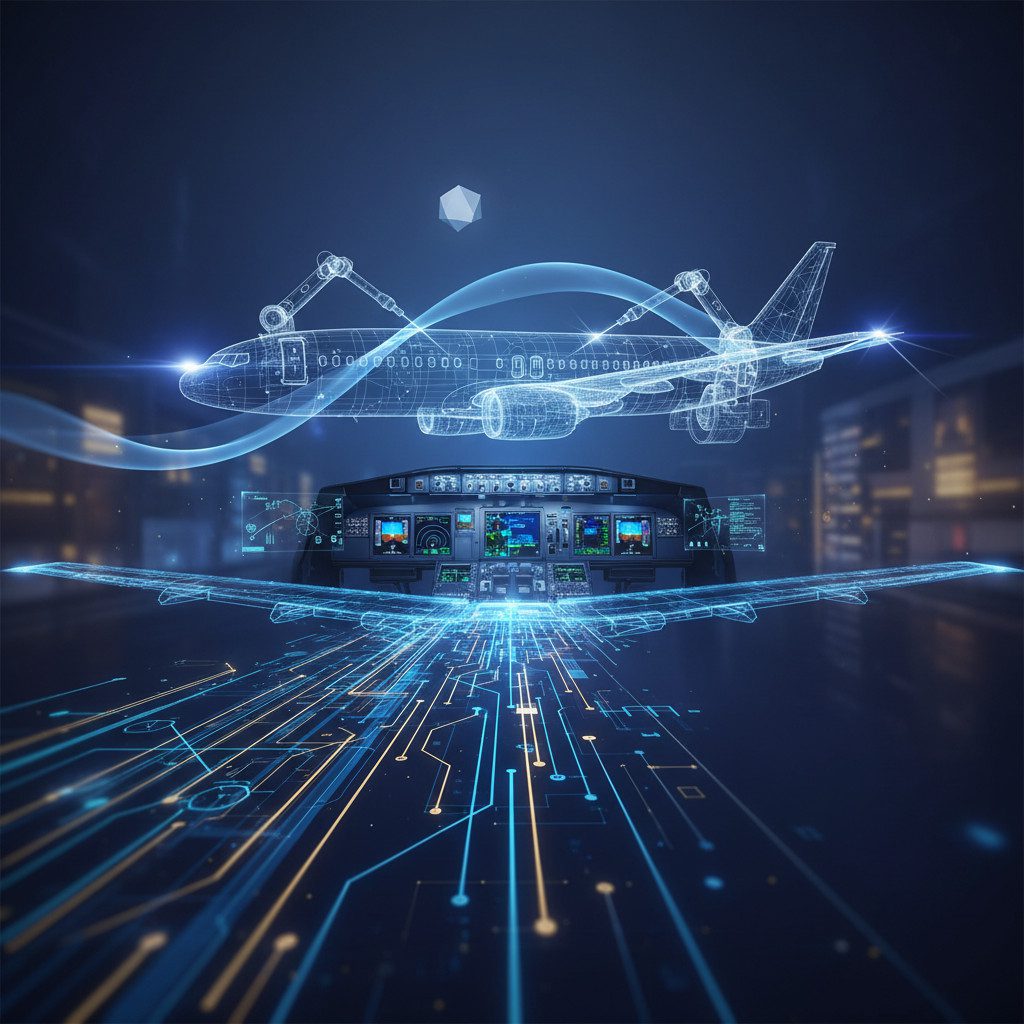

The aviation industry has seen remarkable progress over the years, with significant strides being made in automation technology. In particular, Boeing’s 737 series aircraft have become a cornerstone of modern air travel due to their reliability, safety, and continuous innovation. The incorporation of advanced automation systems not only enhances operational efficiency but also improves safety standards for both passengers and crew.
This article delves into the various aspects of automation in the Boeing 737 fleet. We will discuss how autopilot systems have evolved to provide better control during flight operations, explore the integration of AI-driven analytics that optimize maintenance schedules and improve predictive capabilities, examine machine vision systems used for quality assurance during manufacturing processes, and highlight the impact of these technologies on overall product quality.
The Evolution of Autopilot Systems in Boeing 737
Autopilot technology has been a crucial component in aviation since its inception. For the Boeing 737 series, this system has undergone numerous iterations to meet the demands of modern air travel. From basic autopilot features such as heading and altitude control to more sophisticated functionalities like auto-landing and flight path management, these systems have significantly reduced pilot workload while increasing operational safety.
The latest models in the 737 family, including the MAX series, come equipped with even more advanced autopilots. These include enhanced ground proximity warning systems (GPWS) and terrain awareness and warning systems (TAWS), which help prevent collisions with terrain or obstacles during takeoff, landing, and low-altitude flight conditions.
AI-Driven Analytics for Predictive Maintenance
In recent years, the integration of artificial intelligence (AI) into aviation maintenance has revolutionized how airlines manage their fleets. Boeing’s 737 MAX series is at the forefront of this transformation through its use of AI-driven analytics tools that predict potential issues before they become critical problems.
By analyzing vast amounts of data from various sources—such as engine health monitoring systems, flight performance records, and maintenance logs—these AI algorithms can identify trends and patterns indicative of impending failures. This proactive approach allows airlines to schedule timely repairs or replacements, thereby minimizing unscheduled downtime and ensuring maximum operational readiness.
Machine Vision Systems in Manufacturing
Mechanical inspection processes play a vital role in maintaining high standards for aircraft manufacturing quality control. In the context of Boeing’s 737 production lines, machine vision systems have been instrumental in streamlining these procedures.
These systems utilize sophisticated cameras and software algorithms to automatically detect defects or deviations from established norms during assembly phases. This level of precision ensures that every component adhering to stringent safety regulations before being integrated into an aircraft structure.
The Impact of Automation on Product Quality Control
A key benefit derived from extensive automation in manufacturing is the enhancement of product quality control measures. For Boeing’s 737 series, this translates to rigorous testing protocols applied throughout each stage of assembly until final delivery.
Automation tools enable real-time monitoring and adjustment capabilities that traditional methods cannot match. By leveraging data analytics alongside machine vision inspection techniques, manufacturers can ensure consistent adherence to regulatory requirements while identifying opportunities for process improvement.
The MCAS System Controversy
The Maneuvering Characteristics Augmentation System (MCAS) introduced in the Boeing 737 MAX has sparked considerable debate and controversy within both industry circles and among consumers. This software was designed to address specific aerodynamic characteristics of newer aircraft models but ultimately led to tragic incidents involving loss of life.
These events underscored the importance of thorough testing and validation procedures when implementing new automated systems in aviation contexts where human lives are at stake. They also highlight ongoing challenges related to balancing technological advancements with rigorous safety standards.
Tl;dr: Key Takeaways
The integration of automation technologies like advanced autopilot systems, AI-driven analytics for predictive maintenance, and machine vision inspection processes has undeniably transformed the Boeing 737 series into a beacon of modern aviation innovation. While these advancements offer substantial benefits in terms of operational efficiency and safety, they also necessitate careful consideration regarding potential risks associated with highly automated environments.
As we look towards future developments within this field, it remains crucial to strike a balance between embracing cutting-edge technological solutions and maintaining stringent adherence to established safety protocols. GoldenEpaulettes provides further insights into the evolving landscape of Boeing 737 automation.